REVIEW · SAN ANTONIO
Master Of Illusions Magic & Paranormal Escape Room at Extreme Escape San Antonio
Book on Viator →Operated by Extreme Escape · Bookable on Viator
A magic show goes wrong fast. You step into a 1929 Houdini mystery where illusion and investigation collide in a single 60-minute push. The story has real momentum: sabotage, a death, and a magician who knows you’re getting close.
I like that it’s set up as a private room experience, so your group isn’t fighting other teams for attention. I also like the feel of a detective-style puzzle session, where you’re not just hunting objects—you’re working a case.
One possible drawback: the room lighting can be pretty dark, which may make small text harder to read if you’re older or you don’t see well in low light.
In This Review
- Quick Take: Master Of Illusions at Extreme Escape San Antonio
- Entering Extreme Escape on I-10: What You’re Really Getting
- The 1929 Story: Houdini’s Parlor of Trickery, Now With Detective Work
- How the 60 Minutes Feel: Time Pressure Done Right
- Private Room for Your Group: Less Noise, More Team Chemistry
- The Puzzle Experience: Clues, Locks, and That Detective Feeling
- Lighting Reality Check: Dark Corners and Small Text
- Team-Building and Date Night: Who This Works For Best
- Price and Value: Is One Hour Worth It?
- Tips to Walk In Ready (Without Overthinking It)
- Should You Book Master Of Illusions Magic & Paranormal Escape Room?
- FAQ
- How long is the Master Of Illusions escape room experience?
- Where is the meeting point?
- Is this a private experience?
- Do I receive a ticket on my phone?
- What is the story setup?
- Is it good for families?
- What should I know about visibility inside the room?
- When will I get confirmation after booking?
- Can I cancel for a full refund?
Quick Take: Master Of Illusions at Extreme Escape San Antonio
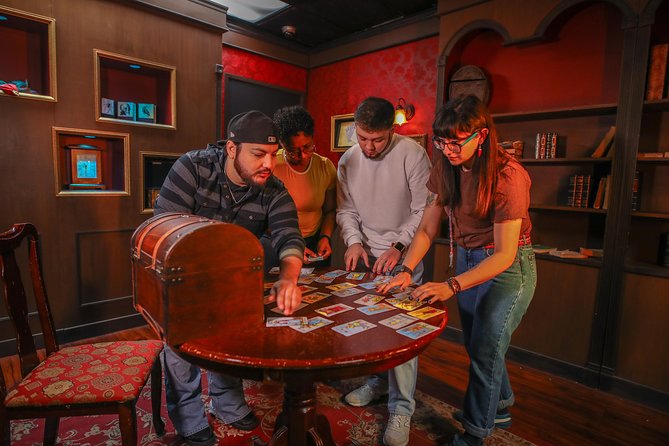
- 1929 Houdini mystery plot: sabotage, suspicion, and a locked-in magic parlor you have to outthink
- Private room for your group: fewer distractions, more focus for families, coworkers, or a date night
- 60 minutes, lots of locks and clues: it’s puzzle-forward and time-pressured in a fun way
- Great team-building: ideal when you want everyone collaborating, even if you’re not puzzle pros
- Low-light room matters: bring reading glasses if that’s your usual trick
Entering Extreme Escape on I-10: What You’re Really Getting
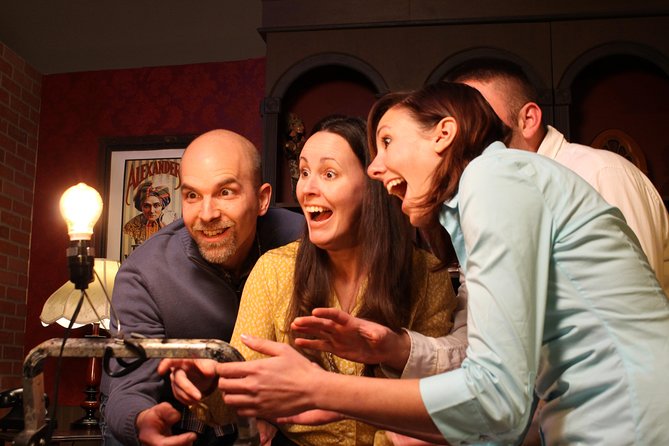
The starting point is Extreme Escape’s location at the Colonnade area, 9995 I-10, San Antonio, TX 78230. From there, you’ll go straight into the experience itself—this is not a long walking tour day. It’s built around one focused event.
Because it’s a mobile ticket setup, plan to have your phone handy. You’ll also get confirmation within 48 hours of booking (as long as your timeslot is available), so you can keep your schedule light without needing extra planning steps.
The biggest “value” here is concentration. You’re not spending energy traveling between stops or waiting around for other parts of a program. You show up, solve, and leave—usually laughing at how close you got.
You can also read our reviews of more tours and experiences in San Antonio.


The 1929 Story: Houdini’s Parlor of Trickery, Now With Detective Work
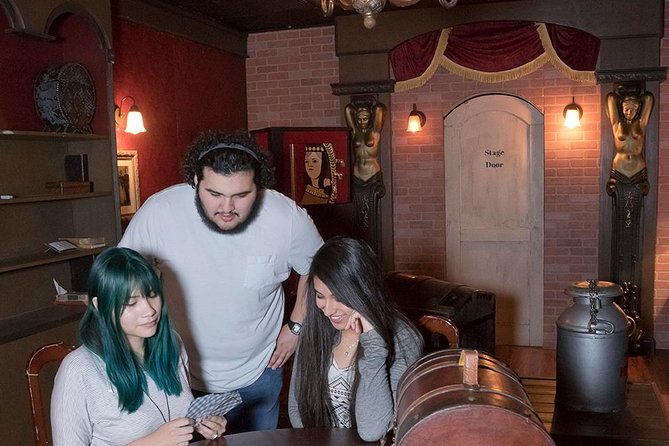
The theme is what hooked me: the year is 1929, and the greatest showman since Houdini is suddenly under suspicion. A colleague—and rival master illusionist—has died, and sabotage is the word on the street. You and your team are assigned detective work, led into a world where it’s hard to tell what’s real and what’s staged.
Then it flips. The maniacal magician locks you inside his magic parlor of trickery, and you have to predict what he’ll do next. The aim is simple in concept and stressful in practice: unravel the clues and stop him from making you disappear for good.
If you like mysteries with a clear “case” feeling—someone’s playing games and you have to beat them at logic—this one fits. It also helps that the pacing is built-in. You aren’t wandering for fun. You’re working under pressure.
How the 60 Minutes Feel: Time Pressure Done Right

This experience runs for about one hour. In an escape room, that’s enough time to feel urgency, but not so much that you get numb. The best part is the structure: the clock turns the clues into a story you can actually push forward.
The room is packed with puzzles—people describe it as having lots of locks to deal with—so you’re likely to spend your time switching between thinking and doing. That “try a thing, see what happens, then re-think” rhythm is usually where the fun lives.
A practical tip: start fast with a system. Even if the puzzles are tricky, you’ll move quicker if you designate roles early—one person reads clues out loud, one person checks physical details, and one person keeps an eye on the overall progress. It reduces the common first-timer chaos of everyone doing their own thing at once.
Private Room for Your Group: Less Noise, More Team Chemistry
One thing I really appreciate about this setup is the private tour/activity model. Only your group participates, so you’re not sharing the space with random strangers or competing for attention inside the room.
That matters more than it sounds. In a dark, puzzle-heavy environment, distractions cost time. A private room keeps communication cleaner. It also makes the experience feel more like a shared challenge than a public performance.
This is also why it works well across group types:
- Friends: easy teamwork, quick laughter when something clicks late
- Coworkers: a natural way to collaborate outside meetings
- Families: a shared goal that turns into a group story you’ll keep retelling
If you’re coming with a mixed skill group—kids who jump in fast and adults who think through details—this private format helps everyone stay engaged.
The Puzzle Experience: Clues, Locks, and That Detective Feeling
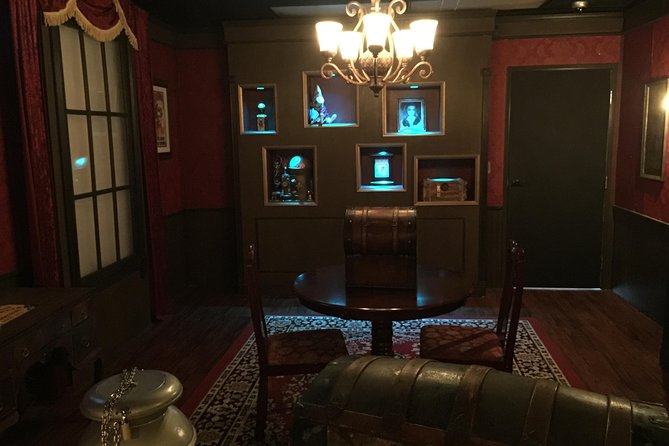
The core action is what escape-room fans look for: clues that connect, tasks that require observation, and enough “aha” moments to keep you going even if you’re not solving every riddle in order.
People describe this as a puzzle-heavy game—lots of locks to handle and plenty of things to figure out. That tends to work best when your group leans into collaboration instead of trying to be the hero.
One honest caution from real experience: if you’re brand new to escape rooms, it can feel a bit confusing at first. Not because the concept is hard—but because you’re inside a world of staged clues and it takes a minute to learn how to read the room. If your group likes clear instructions and big signage, you may want to mentally prep for a learning curve in the first moments.
Also, not finishing can happen. One person shared that they didn’t make it and ended up laughing about the whole disappearing act. That’s still part of the charm. The room’s designed to be memorable either way.






Lighting Reality Check: Dark Corners and Small Text
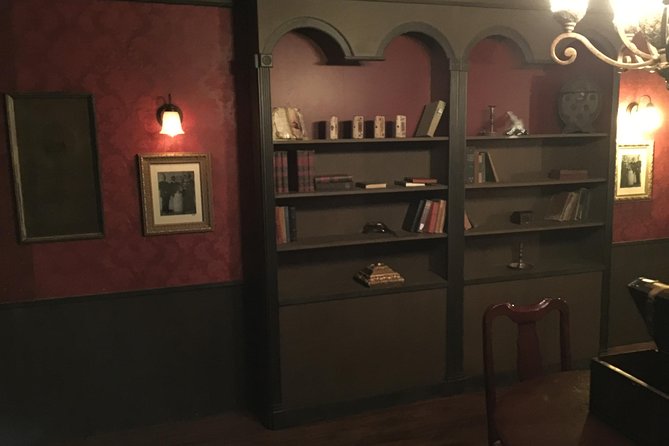
Here’s the one practical detail you should actually plan around: the room can be dark. If you have trouble seeing small print in low light, you might struggle with clues that rely on reading.
So here’s my common-sense advice:
- If you wear glasses for distance or reading, consider bringing them.
- If you’re traveling with an older relative or anyone with vision strain, factor that in before you go.
- Mentally shift expectations: this isn’t a bright classroom puzzle. It’s a staged magic parlor.
The good news? Darkness often makes the experience feel more “paranormal” and cinematic. The tradeoff is clarity. If you go in knowing it might be hard to read, you’ll rely more on teammates and the physical clues than on tiny text.
Team-Building and Date Night: Who This Works For Best
This experience plays well for two reasons: it’s social, and it pushes cooperation under pressure.
For families, it’s the kind of activity where everyone can contribute. One family even solved with around two minutes remaining, which is exactly the kind of finish that turns into a family memory. If you’re looking for something more active than a typical outing, this delivers.
For a date night, it’s a fun alternative to dinner-and-a-movie. You’re doing something together, talking constantly, and sharing the moment when a clue finally makes sense. Even if you don’t win, it’s still a story you’ll both remember.
For coworkers, it’s a team-building exercise without the awkward corporate vibes. You can pair up strengths: people who notice details, people who communicate ideas quickly, and people who can keep everyone calm when the clock feels intense.
If your group prefers quiet sightseeing or doesn’t like timed challenges, this might feel stressful. But if you want an active shared mission, you’ll probably like it a lot.
Price and Value: Is One Hour Worth It?
The honest issue people bring up is that it can feel pricey for just an hour. That’s a fair point. You’re paying for a concentrated experience, not a long program.
Here’s how I’d judge value without guessing numbers: think about what you’ll get out of the time. A one-hour escape room can be expensive, but it can also be worth it if:
- your group clicks and communicates well
- you enjoy puzzle-solving as entertainment
- you want something you can’t recreate at home
- you’d otherwise spend similar money on a meal or bar time
Also consider that this one is private, which can boost value for groups. Paying a bit more can make sense if it removes distractions and keeps everyone involved.
My rule: if you’re the type who loves games, puzzles, and shared challenges, this is likely a solid pick. If you’re chasing a long experience with lots of time to relax, the one-hour format may feel short.
Tips to Walk In Ready (Without Overthinking It)
You don’t need to be a puzzle expert. You do need to be a good team member.
A few things that help right away:
- Assign roles in the first few minutes so the whole group isn’t doing random stuff
- Share information out loud every time you find a clue or notice something odd
- Keep trying even if you don’t understand everything at the start—the game rewards persistence
- If someone gets stuck, rotate. A fresh brain often spots what the last person missed
- Since the room can be dark, use reading tools if you rely on small text
And here’s a fun mindset shift: treat it like a case, not a test. You’re not trying to prove you’re smart. You’re trying to make progress together.
Should You Book Master Of Illusions Magic & Paranormal Escape Room?
I’d book it if you want a strong theme, a time-limited challenge, and a private room that keeps your group focused. The Houdini-inspired story adds personality, and the puzzle structure gives you plenty to do—especially if you like lots of locks and clue chains.
You might skip or rethink it if low-light reading is a major problem for your group, or if your budget is tight and you’d rather spend less for a longer outing. The one-hour timing can feel expensive, even though it’s exactly long enough to stay exciting.
If your group enjoys mysteries, games, and teamwork—and you’re okay with a darker room and some confusion at the start—this is a very fun bet for San Antonio.
FAQ
How long is the Master Of Illusions escape room experience?
It lasts about 1 hour.
Where is the meeting point?
You meet at Extreme Escape – Colonnade, 9995 I-10, San Antonio, TX 78230. The activity ends back at the meeting point.
Is this a private experience?
Yes. It’s a private tour/activity, and only your group participates.
Do I receive a ticket on my phone?
Yes, it uses a mobile ticket.
What is the story setup?
Set in 1929, you’re investigating a suspicious sabotage connected to Houdini-era rivals, and you’re locked in the magician’s parlor of trickery. You have 60 minutes to solve clues and stop him from making you disappear.
Is it good for families?
Yes. It’s described as family fun, and it can work well for groups of different ages.
What should I know about visibility inside the room?
The room can be dark, and small print may be hard to read if you’re older or have difficulty seeing in low light.
When will I get confirmation after booking?
Confirmation is received within 48 hours of booking, subject to availability.
Can I cancel for a full refund?
Yes. Free cancellation is available up to 24 hours in advance for a full refund. If you cancel less than 24 hours before the start time, the amount paid is not refunded.