REVIEW · NORTH CAROLINA
Carolina History & Haunts Greensboro Historical Ghost Tour
Book on Viator →Operated by Carolina History & Haunts, Inc. · Bookable on Viator
Greensboro feels haunted the moment you arrive. This Carolina History & Haunts walking tour turns downtown into a storybook of candlelight and Greensboro history, with your guide guiding you through places tied to war, illness, unrest, and fire. The result is a spooky evening that also helps you understand why the city’s old buildings feel so loaded with meaning.
I love the way the tour connects legends to real events, from epidemics and mass graves to Revolutionary and Civil War-era tales. I also love the energy of the guides, including Oliver and Jess, who keep the group engaged and bring the places to life as you walk.
One possible drawback: the experience can lean more history-forward than face-to-face paranormal, so if you’re hunting for loud, dramatic hauntings, you may find it a little restrained.
In This Review
- Key Highlights at a Glance
- A Candlelit Walk Through Greensboro’s Troubled Past
- Where You Meet: Melvin Municipal Building on West Washington
- The Price: What $26 Buys You in a 90-Minute Tour
- The Route in Real Life: Carolina Theatre, M’Coul’s, and the Biltmore
- Stop 1 and the Big Theme: Scratching the Surface of Greensboro
- How Scary Is It, Really? Spook Level vs. Jump-Scare Energy
- The Guides Matter: Oliver, Rachel, and Jess in the Spotlight
- Practical Stuff for a Night Walk: Rain, Shoes, and Safety
- Who Should Book This Tour (and Who Might Want Another Option)
- Should You Book Carolina History & Haunts in Greensboro?
- FAQ
- How long is the Carolina History & Haunts Greensboro Historical Ghost Tour?
- How much does the tour cost?
- What is the tour language?
- Where do I meet the guide?
- Where does the tour end?
- How big is the tour group?
- Are service animals allowed?
- What happens if the weather is bad?
Key Highlights at a Glance
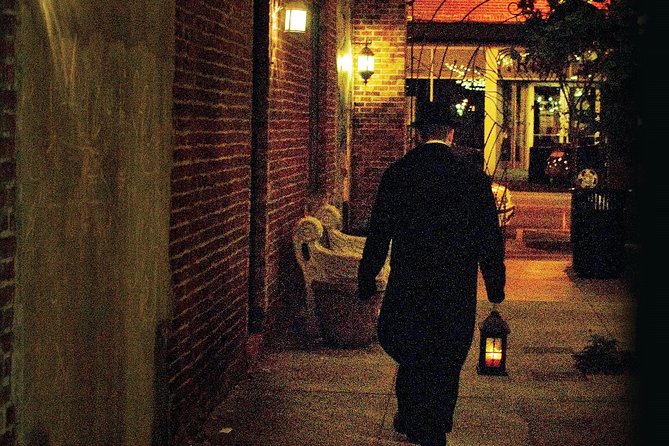
- Candlelit guiding that sets a darker mood right from the start
- Downtown stops tied to local hauntings, including Carolina Theatre, M’Coul’s, and the Biltmore Hotel
- Heavy on Greensboro context, with stories linked to war, epidemics, riots, fires, and mass graves
- Strong guiding talent, with standout narration from guides like Oliver, Rachel, and Jess
- A manageable walking pace for most visitors, with the whole thing designed to fit a 1.5-hour window
A Candlelit Walk Through Greensboro’s Troubled Past
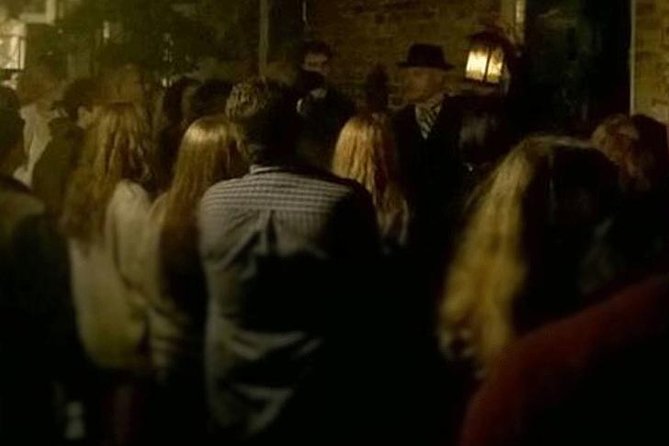
This tour is built for people who like their scares with a side of facts. You start with the mood: candlelight-led storytelling that makes downtown feel like it’s holding its breath. Then your guide ties it to what happened in Greensboro long before modern streets and newer buildings took over.
The story thread is clear. Greensboro was founded in 1808, but settlement began earlier, around the mid-1700s. Your guide also points out the unsettling truth that you never really know what ground you’re standing on in a city that has been modernized again and again. Under the surface, there were battlefields, war hospitals, epidemics, mass graves, riots, and fires.
For me, the best part is how the tour treats hauntings as more than campfire noise. Instead of only saying something spooky happened, it explains why the place might still carry that weight. It’s not just ghost talk. It’s ghost talk with a reason.
And yes, it can still feel creepy. A lot of the effect comes from the setting plus the way the guide paces the stories as you walk between old downtown landmarks.
Where You Meet: Melvin Municipal Building on West Washington
The tour’s logistics are pretty straightforward, which matters on a nighttime walk. You meet about 15 minutes before the scheduled start at 300 West Washington Street, at the flag poles on the Washington Street side of the Melvin Municipal Building.
There’s also an official start address listed as 201 S Eugene St. In practice, what helps you avoid confusion is showing up early and looking for the group gathered at the flag poles at the Melvin Municipal Building. That’s the clearest fixed landmark for starting.
You’ll finish at The Biltmore Greensboro Hotel at 111 W Washington St. If you’re planning dinner afterward, you’ll likely end right in the zone where you can keep the night going without much extra effort.
One more plus: the tour notes it’s near public transportation. So even if you’re not driving, you should be able to get there without a major headache.
The Price: What $26 Buys You in a 90-Minute Tour
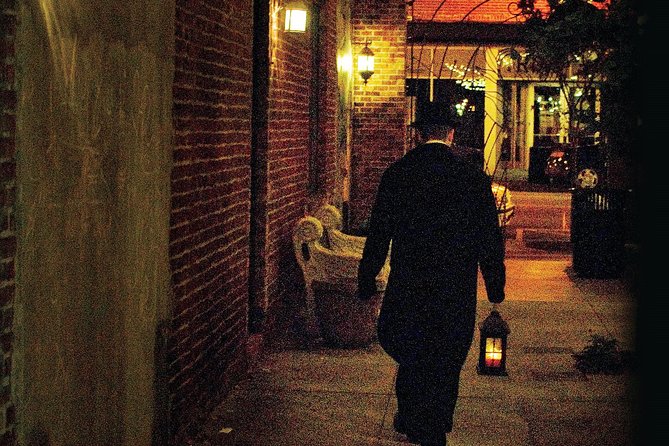
At $26 per person, this is a fairly low-cost way to spend an evening in a new-to-you part of downtown. You’re paying for three things: a professional guide, a tight walking route, and storytelling designed to work in the dark.
The tour runs about 1 hour 30 minutes. That’s long enough to feel like you did something real, but short enough that you’re not stuck outside too long if it’s cold or damp.
It’s also capped at 40 travelers and requires a minimum of 4 attendees to operate. That matters because smaller groups tend to mean better interaction and easier hearing as the guide speaks.
You’ll also get a mobile ticket, and the tour is offered in English. So you’re not dealing with language uncertainty or printing hassles.
If you’re comparing this to other tours, the value is mostly in the mix. You’re not only buying scares. You’re buying a walk that teaches Greensboro’s deeper timeline, including the Revolutionary and Civil War thread.
The Route in Real Life: Carolina Theatre, M’Coul’s, and the Biltmore
You’ll visit several well-known downtown spots, guided the whole way by candlelight. The tour specifically includes stops at:
- Carolina Theatre
- M’Coul’s
- Biltmore Hotel
And you’ll also pass by or stop at several other troubled locations along the route. The exact order beyond the general flow isn’t spelled out here, but the structure is consistent: walk, pause, listen, then move to the next location.
What makes these kinds of stops work is that the guide can connect a building’s role in downtown life to the “why” behind the haunting lore. A theatre has a different kind of energy than a hotel, and a bar has a different kind of story pull than a public landmark. Your guide uses those differences to keep the tone changing instead of repeating the same pattern over and over.
The Biltmore Hotel is one stop that gets extra buzz. People talk about the stories there in a way that goes beyond polite listening, with one comment noting it gave shivers. Even if you’re not easily spooked, it helps to have one or two anchor stops that the guide really leans into.
If you care about pictures, bring your camera. One of the guide experiences in the provided feedback specifically encouraged guests to take pictures and said it was fun to see what turned up. Just keep your expectations realistic: you’re not guaranteed anything, but it’s a good night for trying.
Stop 1 and the Big Theme: Scratching the Surface of Greensboro
Your first stop is framed as Carolina History & Haunts, and that opening sets the tone for everything that follows. The tour leans into the idea that Greensboro’s modern look can hide what’s underneath. In other words, the city can feel normal—until the guide reminds you what the ground has seen.
This theme ties directly to the list of reasons reported hauntings show up in downtown Greensboro: battlefields, war hospitals, epidemics, mass graves, riots, and fires. Those topics aren’t just thrown in for shock value. They explain why a place could accumulate layers of fear, grief, and rumor over time.
The guide also mentions that Greensboro was founded in 1808 but settled earlier. That timeline matters because it gives you more than a “ghost story.” It gives you a sense of why people would tell stories about certain streets and certain buildings.
If you like local history that feels personal instead of textbook-flat, this is a strong start. You’re not just learning dates. You’re learning why the city’s past could still cast a shadow today.
How Scary Is It, Really? Spook Level vs. Jump-Scare Energy
This is where you should calibrate expectations before you go. The tour is spooky in mood and story, but it’s not built as a jump-scare machine.
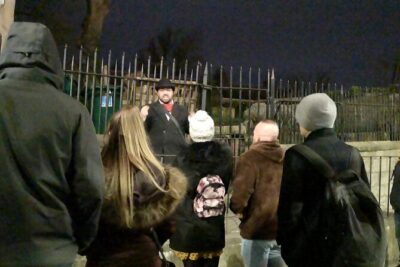
You’ll have candlelight, and your guide will pace the storytelling to make the dark setting do some of the work. One detail that shows up in feedback: guides sometimes dress in a way that helps set the mood. That’s a small thing, but it matters, because it shapes the group’s attention fast.
At the same time, the tour can lean more toward history than pure paranormal action. Some visitors even note it wasn’t scary for them, while others talk about goose-bumps and lots of creepy energy.
So think of it as atmosphere + narrative, not as guaranteed paranormal proof. If you enjoy clever, well-told stories tied to real places, you’ll likely have a great time. If you’re only satisfied by loud, visible ghost activity, you might wish for more.
The Guides Matter: Oliver, Rachel, and Jess in the Spotlight
On this kind of walking tour, the guide is the product. Here, the feedback is unusually consistent about guide performance and storytelling style.
Oliver shows up as a standout in the comments, with one mention praising him for being genuinely interested in questions and for being outstanding while keeping the group engaged. Another note ties Oliver to strong mood-setting through attire.
Rachel is another name that comes up with praise for being animated and enthusiastic, making Greensboro’s ghost stories feel like they came alive. Jess is praised for knowledge and for giving verified stories that push the creepy/cool factor higher.
Even with those strengths, one critique appears: a guest wished there were photos to add more “wow” to the tales. That doesn’t mean you’ll feel short-changed, but it is a reminder that this tour is primarily story-driven, not a slideshow.
Bottom line: if you’re the type who enjoys talking with a guide and asking questions, this format should suit you. The best tours are the ones where the guide treats the group like part of the night, not just a moving audience.
Practical Stuff for a Night Walk: Rain, Shoes, and Safety
The tour is subject to favorable weather conditions. If it’s canceled due to poor weather, you’ll be given the option of an alternative date. That’s useful to know if you’re visiting during shoulder season or if rain is common where you are staying.
You’ll also want to plan for damp weather because one experience described umbrellas and ponchos during a rainy stretch. The guide kept everyone safe and helped people avoid the heaviest rain as much as possible.
For your comfort, wear shoes that handle sidewalks at night. This is a walking tour with moderate physical fitness recommended, and one comment notes the walking distance wasn’t as long or hard as expected.
Also, keep in mind the tour allows service animals, and children must be accompanied by an adult. One visitor described the group as ranging from kids to older adults, which suggests the pace is kept reasonable.
If you’re sensitive to cold, dress for it. It can get chilly outside when the tour is guided by candlelight and you’re standing around briefly between stops.
Who Should Book This Tour (and Who Might Want Another Option)
This is a good fit if you want a night activity that mixes local history with spooky storytelling. It’s especially appealing if you like the idea of learning why hauntings get tied to places like theatres, bars, and hotels in downtown districts.
It’s also a solid choice for groups. The tour is max 40, and people describe it as an enjoyable experience for friends, couples, and families. One comment even framed it as suitable for all ages.
You might want to consider another type of ghost experience if:
- You’re specifically hunting for extreme paranormal effects
- You dislike history-heavy narration
- You need lots of visual aids to enjoy a story
But if you’re happy with atmosphere, walking, and a guide who makes the past feel close, this one fits well.
Should You Book Carolina History & Haunts in Greensboro?
If you like downtown stories that connect to real events, I’d book it. At $26 for about 90 minutes, with candlelight guiding and a route that includes major landmarks like the Carolina Theatre, M’Coul’s, and the Biltmore Hotel, you’re paying for a memorable evening without overcommitting your time.
With a 4.8 rating and 96% recommending it, you’re also choosing a tour that people tend to enjoy enough to send friends.
Just go in with the right mindset: this is storytelling first, not a paranormal lab. If that works for you, you’ll likely leave feeling like you saw Greensboro from a whole new angle.
FAQ
How long is the Carolina History & Haunts Greensboro Historical Ghost Tour?
It runs about 1 hour 30 minutes.
How much does the tour cost?
The price is $26.00 per person.
What is the tour language?
The tour is offered in English.
Where do I meet the guide?
You meet 15 minutes early at 300 West Washington Street (Melvin Municipal Building), at the flag poles on the Washington Street side.
Where does the tour end?
The tour ends at The Biltmore Greensboro Hotel, 111 W Washington St, Greensboro, NC 27401.
How big is the tour group?
The tour has a maximum of 40 travelers, and it requires a minimum of 4 attendees to operate.
Are service animals allowed?
Yes, service animals are allowed.
What happens if the weather is bad?
The tour requires favorable weather. If it’s canceled due to poor weather, you’ll be offered an alternative date or a full refund.
If you want, tell me your travel dates (and whether you’re going with kids or a group), and I can suggest the best time to go and how to pair this with a simple dinner plan near the ending point.