REVIEW · NEW ORLEANS
Ghost Stories and True Crime Walking Tour of the French Quarter
Book on Viator →Operated by Lucky Bean Tours · Bookable on Viator
Ghost stories feel different in New Orleans. This 2-hour French Quarter walking tour blends chilling legends with real crimes, all while you’re pacing between landmarks that still shape the neighborhood. You’ll hear how the Mississippi River pulled people in, how Royal Street set the mood for old-world secrets, and how Bourbon Street gathered darker chapters.
Two things I really like: the tour keeps a tight 30-minute rhythm at each stop, so you never feel stuck in one place, and the guides can tailor the story mix based on what you want more of. A main drawback to consider: it’s a nighttime walk in a busy area, so you’ll want comfy shoes and a willingness to cover ground in the dark.
In This Review
- Key highlights you should know
- How the French Quarter turns a 2-hour walk into a story loop
- Stop 1: French Quarter blocks, where ghosts and criminals share the same streets
- Stop 2: Royal Street and the old-world cast behind the shutters
- Stop 3: the Mississippi River, the story engine of the city
- Stop 4: Bourbon Street, where true crime gets personal
- Guides that adjust to your interests (not a one-size script)
- Timing, meeting point, and how to prepare for a night walk
- Is $33 worth it? The value math for a ghost and true crime walk
- Who this tour is best for (and who might want a different style)
- Practical FAQ before you go
- FAQ
- Where does the tour start and where does it end?
- What time does the tour begin?
- How long is the walking tour?
- How much does it cost?
- Is the tour offered in English?
- Do I need to buy tickets for the sights at each stop?
- Is food or drink included?
- What group size should I expect?
- Should you book this French Quarter ghost and true crime tour?
Key highlights you should know
- Small group size (max 16) keeps the experience easy to manage and question-friendly.
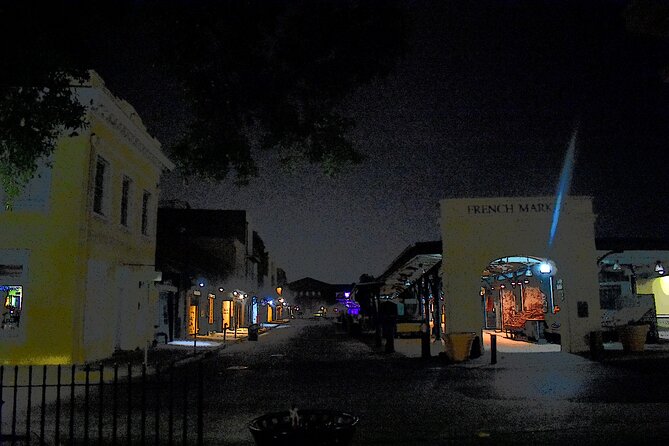
- Four focused stops: French Quarter, Royal Street, the Mississippi River, and Bourbon Street.
- History-forward storytelling that aims to stay fact-based, not just stagey.
- Nighttime vibe matters: several guides lean into the way these stories land after dark.
- Tailored focus based on your interest level (ghosts, true crime, or voodoo themes).
How the French Quarter turns a 2-hour walk into a story loop
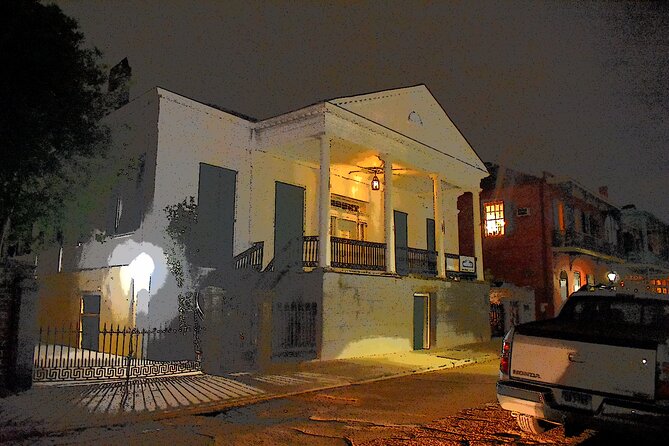
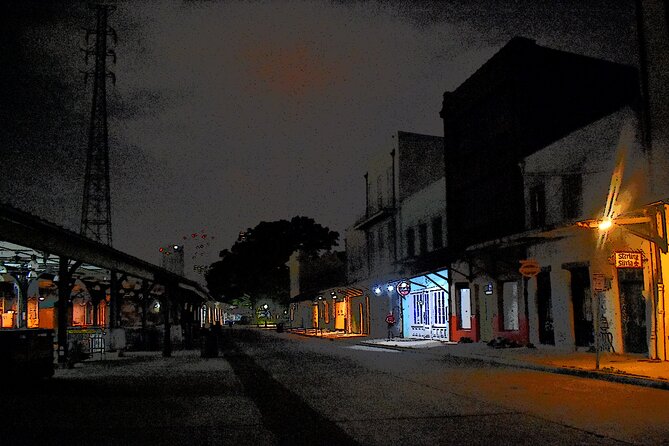
The French Quarter at night is its own character. What makes this tour work is that it doesn’t treat the neighborhood like a backdrop. It treats it like a timeline—passion and loss on one block, darker crimes on another, and river-linked arrivals that explain why the city grew the way it did.
You’ll start at 727 St Philip St at 8:00 pm and end near Jackson Square. That matters because it keeps the route coherent: you’re moving deeper into the Quarter’s story world, not wandering in circles. At about 2 hours total with four ~30-minute stops, it’s long enough to feel like you learned something, but short enough to stay fun even if you’re not a hardcore horror fan.
Price-wise, $33 is a fair match for the value you’re getting: a live guide, guided walking through multiple key areas, and no paid admissions mentioned for the stops themselves. You’re paying for interpretation—how a guide connects a street corner to a specific type of story, and then helps you notice details you’d miss on your own.
Possible catch: because this is a walking tour and it’s at night, you’ll want to bring sensible expectations. This isn’t a sit-down show. You’ll be out there, moving, listening, and occasionally stepping aside to let other groups pass.
You can also read our reviews of more tours and experiences in New Orleans.


Stop 1: French Quarter blocks, where ghosts and criminals share the same streets
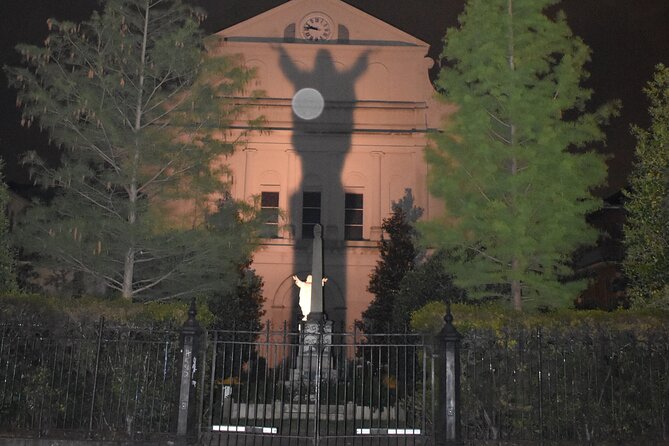
The tour begins in the French Quarter with the idea that the district is made of story layers. The guide frames it as more than a set of pretty streets: it’s over 80 square blocks of lived experience—passion, betrayal, yearning, hope, and mourning.
This first stop is important because it sets your lens. Before you reach Royal Street or Bourbon Street, you’re learning how to read the Quarter. You start to notice how a place can hold multiple narratives at once: folklore-type accounts, true-crime details, and the everyday grit that made New Orleans New Orleans.
This is where guides often do the job of pacing your imagination. The tour description calls out ghosts, spirits, and criminals in the city’s past, and the reviews reinforce a theme: guides mix eerie and factual without going full costume carnival. That’s a big reason people rate this tour so highly—storytelling with grounding.
My practical advice for this opening: arrive ready to listen. If you’re the type who wants to jump around asking questions every five minutes, that’s fine—just know that the tour also works by building a mood first, then paying it off later.
Stop 2: Royal Street and the old-world cast behind the shutters
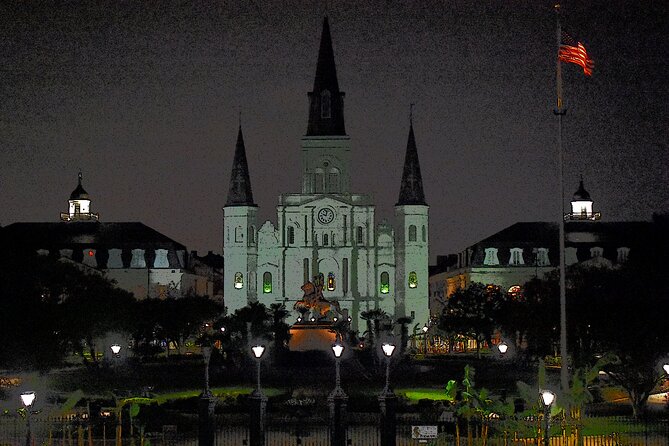
Next you’ll move to Royal Street, known for architecture, art galleries, and antique-filled shops. The tour uses that setting to travel back to times of pirates, wanderers, and scandalous ladies—basically, the kind of characters who would absolutely take over this street after sunset.
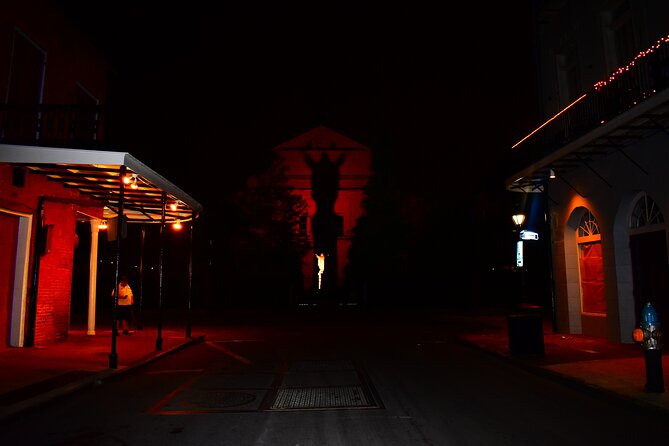
What’s valuable here is the contrast. In daylight, Royal Street can feel like a cool shopping corridor. At night, on a guided walk, it feels like a stage where people hid, waited, and schemed behind the same walls you’re passing now. The guide talks about stories that may still linger in places like courtyards and alleyways.
This stop also helps if you’re trying to build a “New Orleans mental map.” Royal Street becomes a hinge point between the broader French Quarter vibe and the more notorious energy you’ll hit later on Bourbon Street.
One consideration: Royal Street has plenty of activity around it. If you’re easily distracted by street noise, use that as a reason to lean into the guide’s rhythm. I’d plan to focus on what the guide says about specific corners and structures, not just the general feel of the street.
Stop 3: the Mississippi River, the story engine of the city
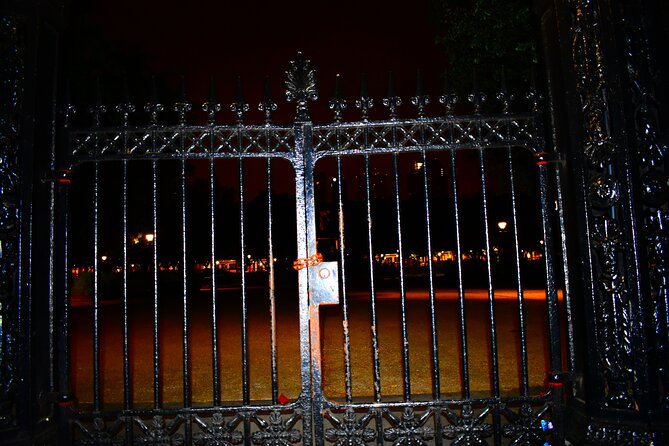
Then you shift from street drama to the Mississippi River. The river is framed as the gateway to New Orleans—the arrival point for artists, writers, immigrants, traders, and adventurers who came in and felt like they finally found a place to fit.
This stop adds context that makes the ghost/crime material make more sense. When you know the city’s draw was movement—people coming, leaving, and surviving—you start to understand why rumors traveled, why crimes got attention, and why legends keep resurfacing.
In a walking tour like this, the river connection can be the difference between random spooky stories and a coherent sense of place. It’s the part that turns the Quarter from just creepy scenery into a city shaped by migration, trade, and reinvention.
Practical tip: if you like photography, plan to use this moment wisely. Even without guarantees about lighting or viewpoints, the river theme tends to give you a natural pause point. That’s a good time to catch your breath, re-center, and ask your guide how the river’s role ties into what came before on the streets.
Stop 4: Bourbon Street, where true crime gets personal
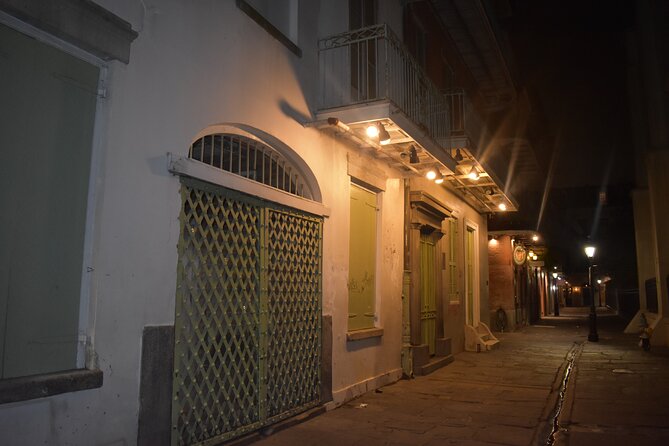
Finally comes Bourbon Street, and this is where the tour leans into the notorious murders and spookier stories connected to the street. The tour description is blunt about it: some of the darkest tales happened here, and the guide reveals spirits and stories hidden among the revelers.
This is also the stop where the guide style matters most. The reviews repeatedly highlight that guides keep things grounded and story-driven. People specifically mention strong storytelling, factual focus, and a refusal to turn everything into theatrical fluff. That matters on Bourbon Street, because it’s easy for a tour to become background noise with an occasional scary sound effect. This one aims to do the opposite.
If you’re sensitive to intense topics, don’t assume it’s graphic. The tour is branded as ghost and true crime, but what’s clearly supported by the info is that it’s about murder stories and hauntings in the context of New Orleans past. You should still be prepared for the tone to get darker as you near Bourbon Street.
Practical advice: Bourbon Street is crowded. So pay attention to where your guide wants you to stand. If you keep drifting toward the noise, you’ll miss details. I recommend positioning yourself where you can hear first, then look around after.
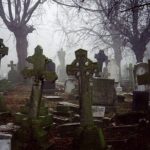
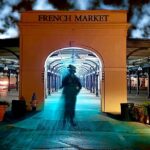
Guides that adjust to your interests (not a one-size script)
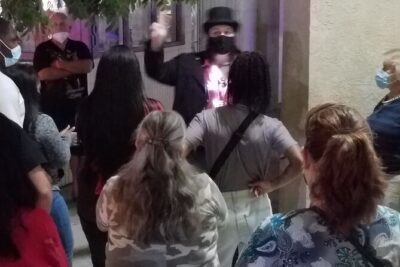
One of the most praised parts of this tour is how guides handle the human side of storytelling—pacing, questions, and customizing the mix. Names you may hear include Libby, Scott, and Joshua, and the common thread in the feedback is flexibility.
Here’s what that looks like in real terms:
- Guides ask about your interests early, so you’re more likely to get what you want—whether that’s true crime, ghosts, or a voodoo-themed thread.
- The delivery tends to be more fact-based and less costume-driven, which is a huge plus if you dislike forced theatrics.
- Guides stick around for questions and don’t rush you through the spooky parts just to hit a checklist.
There’s also a strong note about responsible storytelling. One review mentions a guide openly admitting that voodoo isn’t their culture and refusing to spread misinformation. That’s not just “nice.” It’s smart travel behavior. You get spooky stories without turning someone else’s belief system into a rumor mill.
If you’re the kind of person who likes your history tied to what’s actually in front of you, this guide approach is a strong fit. It’s the difference between feeling entertained and feeling like you learned how the neighborhood works.
Timing, meeting point, and how to prepare for a night walk
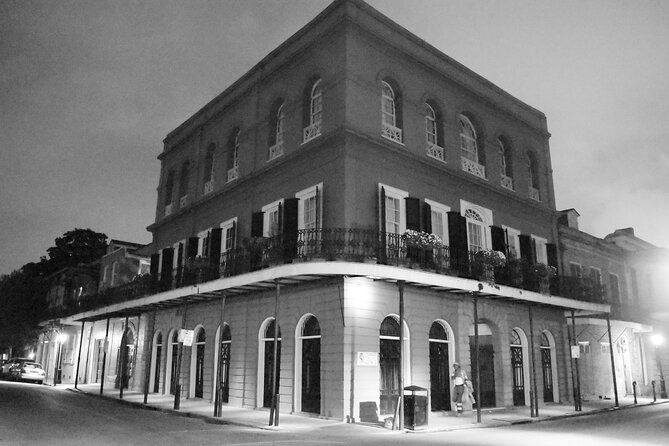
This tour starts at 8:00 pm at 727 St Philip St and finishes near Jackson Square. It lasts about two hours, and each stop is roughly 30 minutes. That structure is a big help if you’re juggling a busy first night in New Orleans.
Because it’s a walking tour at night, plan around three practical things:
- Comfortable shoes (you’ll be on the move the whole time).
- A charged phone since it’s a mobile ticket and guides share contact info.
- Weather sense: the experience needs good weather, and if it’s canceled due to poor conditions you’ll be offered another date or a full refund.
Also note: service animals are allowed, and the tour is near public transportation. So even if you’re not driving, you should be able to get there without drama.
Finally, this is a small tour with a maximum group size of 16. That’s part of why the guides can adjust in the moment and keep things flowing without feeling like a cattle line.
Is $33 worth it? The value math for a ghost and true crime walk
At $33 per person, this tour isn’t trying to be a bargain or a luxury experience. It lands in the middle—close to what you’d pay for a solid guided walk, but with a specific payoff: you get four major Quarter areas covered in one night.
Here’s why it can be good value:
- You’re paying for a guide’s interpretation across multiple iconic zones, not just one street corner.
- The stop design keeps the pace moving, so the time doesn’t drag.
- Reviews repeatedly mention strong storytelling skill, and the customization makes the experience feel less generic.
What’s not included is also clear: food and drink aren’t part of the ticket. That’s normal for a walking tour, but it’s still worth planning. If you want a drink or snack, do it before you meet your guide or after you finish near Jackson Square.
Gratuity for the guide is not included, so set aside a little extra in your budget if you think the guide nailed it. In short: the ticket price covers the tour. Your added thanks is what covers the rest.
Who this tour is best for (and who might want a different style)
This is a great match if you want:
- A nighttime French Quarter introduction that mixes ghost stories with real crime.
- A guide who can shift emphasis depending on what you care about.
- A walking route that hits multiple “must-see” zones: French Quarter, Royal Street, a Mississippi River connection, and Bourbon Street.
It also fits families and mixed groups based on the kind of feedback the tour has received—people mention teens and multi-generation groups having fun. That doesn’t mean it’s kid-only content, but it does suggest the guides know how to keep the tone engaging rather than purely grim.
If you prefer your history dry and academic, you might find the tone more story-driven than classroom-style. And if you want maximum Halloween-style theatrics, you may also prefer something more theatrical. The big theme here is facts and atmosphere over costumes.
Practical FAQ before you go
FAQ
Where does the tour start and where does it end?
It starts at 727 St Philip St, New Orleans, LA 70116 and ends at or near Jackson Square in New Orleans, LA 70116.
What time does the tour begin?
The start time is 8:00 pm.
How long is the walking tour?
It’s about 2 hours (approximately).
How much does it cost?
The price is $33.00 per person.
Is the tour offered in English?
Yes, it’s offered in English.
Do I need to buy tickets for the sights at each stop?
No extra admissions are listed for the stops, and the tour information marks admission as ticket-free for each location.
Is food or drink included?
No. Food and drink are not included.
What group size should I expect?
The tour has a maximum of 16 travelers.
Should you book this French Quarter ghost and true crime tour?
I’d book it if you want your first New Orleans night to feel guided but not overly scripted. The biggest reasons to choose it are the tight 2-hour format, the clear stop-by-stop route through key Quarter areas, and the guide style that blends ghost lore with true-crime history in a grounded way. Plus, small group size means you’re more likely to get answers to your questions instead of just listening from the back.
Skip it or compare options if you hate walking at night or if you only want light, comedy-style entertainment. This tour goes darker in mood as it heads toward Bourbon Street, and it’s built for people who enjoy stories with an edge.
If you’re choosing one “spooky-but-meaningful” experience for your visit, this is a strong pick.