REVIEW · NEW ORLEANS
Dark History Tour In New Orleans
Book on Viator →Operated by Jonathan Weiss Tours · Bookable on Viator
Dark history tours can be a little cheesy. This one works because the storytelling stays human, not cartoonish, and you get French Quarter landmarks paired with serious-but-compassionate history. I also like that the guides are long-timers, with licensing going back before Hurricane Katrina, so you’re not hearing just rehearsed folklore.
One thing to consider: the walk can feel talk-heavy. If you need crisp, short answers only, you might find the pace occasionally rambling, so go in ready to listen.
In This Review
- Key Points to Know Before You Go
- New Orleans Dark History at 5:00 pm: When the Quarter Gets Moodier
- Where You Start, Where You End, and How to Stay on Track
- The Full Route: Four Stops That Tell One Darker Story
- Stop 1: St. Louis Cathedral and the First Layer of Power
- Stop 2: Lafitte’s Blacksmith Shop Bar for a Mid-Tour Reset
- Stop 3: Madame John’s Legacy and What Survives From the French Period
- City Hall of the Spanish and Americans Through the Civil War Era
- Jackson Square: A Beautiful Design With a Dark Reputation
- The Guides: Licensed Locals, Human Storytelling, and Real Personality
- Price and Value: What $30 Buys You in the French Quarter
- Who This Tour Suits (and Who Might Prefer a Lighter Walk)
- Quick Practical Tips Before You Go
- Should You Book This Dark History Tour?
- FAQ
- How much does the Dark History Tour cost?
- How long is the tour?
- What time does the tour start?
- Where do I meet the tour?
- Is the tour in English?
- How big is the group?
- Is there a separate admission fee for the stops?
- What happens if the tour is canceled due to weather?
Key Points to Know Before You Go
- A 2-hour route built around major Quarter landmarks, with free entry at the stops you visit
- Licensed-before-Katrina guides give the tour a steadier, local feel
- No gimmicks needed: the focus is stories and context, not theatrics
- Small-group cap of 28 helps keep the tour moving through tight streets
- Made for the late afternoon at 5:00 pm, when the Quarter starts to shift atmosphere
New Orleans Dark History at 5:00 pm: When the Quarter Gets Moodier
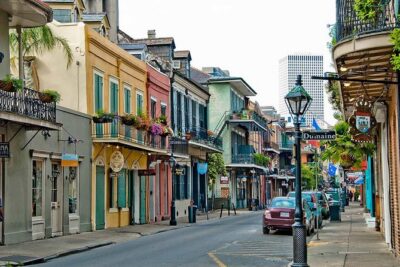
The meeting time tells you a lot. A 5:00 pm start puts you in that sweet spot where day-trippers thin out, street life feels more adult, and the shadows stretch across familiar buildings. It’s still practical daylight enough to see what you’re looking at, but the tone naturally turns darker once the evening air kicks in.
This tour is also a nice fit for a New Orleans itinerary because it’s not a whole-day commitment. In about two hours, you’ll cover key points in the French Quarter without needing a car or a big scheduling puzzle. And if you’re the sort of person who likes pairing a drink stop with historical context, this one is built with that in mind.
You can also read our reviews of more tours and experiences in New Orleans.


Where You Start, Where You End, and How to Stay on Track
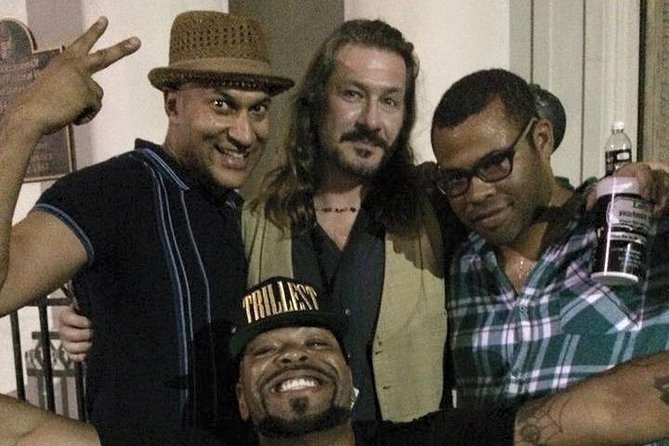
You’ll meet at Pirate’s Alley Cafe, 622 Pirates Alley. The tour ends at 1035 Chartres St, at the corner of Ursulines and Chartres. That end location matters. It keeps you near the action instead of sending you back to the start like you’re doing a loop.
Expect a maximum of 28 people. That’s large enough to keep it lively, but small enough that you can usually hear what’s happening at each stop. You’ll also get a mobile ticket (so have it ready on your phone), and the tour runs in English.
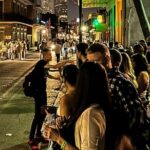
One small practical tip: the Quarter sidewalks can pinch down fast. When you’re walking, keep yourself out of the way of other groups and follow the guide’s instructions about where to stand. It makes the whole thing go smoother, especially during the busier streets and tighter corners.
The Full Route: Four Stops That Tell One Darker Story

This is a guided walking tour in the French Quarter built around a sequence of landmarks. The stops are spaced to keep the pacing manageable, and the order does something smart: it moves from earliest religious power, to tavern-era nightlife, to French-period architecture, then to civic power and public squares.
You’ll also notice that not every stop is about one famous event. Many are about what the buildings reveal: who had authority, who had freedom, and how the city’s public spaces shaped everyday life. That’s why this tour feels more like “understanding the city” than “collecting scary facts.”
Here’s how the stops work in real life, and what you should pay attention to at each one.
Stop 1: St. Louis Cathedral and the First Layer of Power
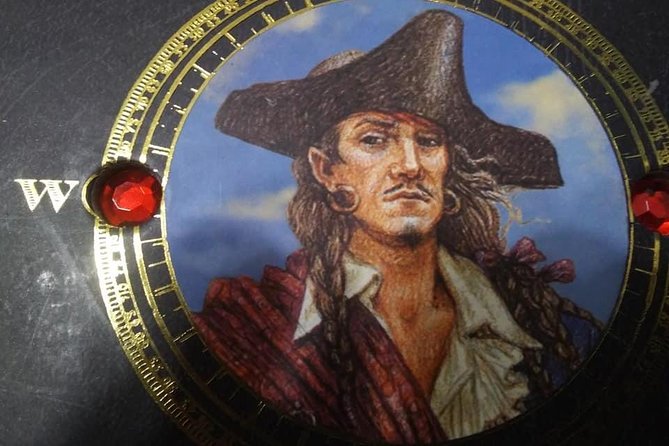
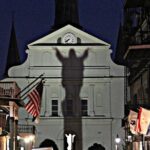
You begin at St. Louis Cathedral, described here as the oldest cathedral in the United States. Admission for this stop is free, which is a real value because you’re not paying extra just to look. This is also a smart first stop because a church like this isn’t just a building—it’s a signal.
Listen for how the guide connects the cathedral to earlier New Orleans life: not only faith, but the way institutions shaped community rules, social order, and the city’s sense of legitimacy. Even if you’ve seen cathedrals in other cities, the framing helps you see the Quarter as a place with roots and consequences, not just entertainment.
If you’re taking photos, be mindful of timing and foot traffic. Cathedral areas can get busy, and you’ll likely want to step back a bit to let others pass without blocking.
Stop 2: Lafitte’s Blacksmith Shop Bar for a Mid-Tour Reset
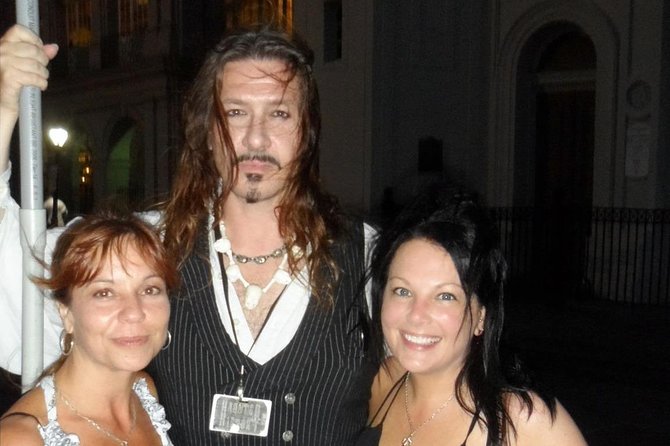
Next you head to Lafitte’s Blacksmith Shop Bar, a longtime favorite stop for people who want a break in the middle of walking tours. Admission is free for the tour stop, and the bar is positioned as an ideal place to pause.
What makes this stop worth your time is the contrast it creates. After a cathedral’s institutional weight, you land in a tavern setting—part social space, part rumor mill, part real history. It’s also noted as the oldest tavern in the city, which gives the story extra gravity if you listen for how early gathering places functioned.
Practical move: if you want a drink, this is the moment. Don’t plan on treating the whole walk like a pub crawl, but this break lets you recharge so you can keep listening at the next stops without getting glazed over.

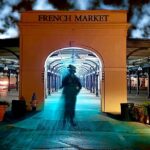
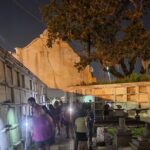


Stop 3: Madame John’s Legacy and What Survives From the French Period
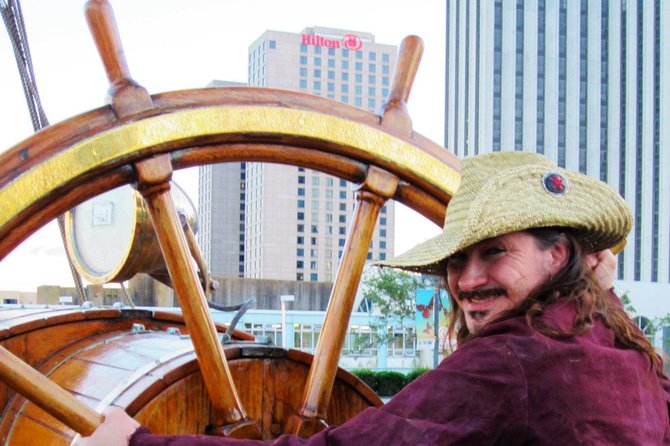
Then you move to Madame John’s Legacy, highlighted as one of the only French buildings in the Quarter and specifically the only residence from the French period. Admission for this stop is also free, and that’s a big deal for value. It’s one of those stops where the building does heavy lifting.
Here, pay attention to what makes it French-period rather than just “old-looking.” The story is about survival: what remains, what changed, and what that means for understanding how different eras treated everyday life. When the guide ties the architecture to the people who lived there, the building stops being scenery and becomes a clue.
If you like visual details, you’ll probably enjoy this stop most: it gives you something to look at while you absorb the story.
City Hall of the Spanish and Americans Through the Civil War Era
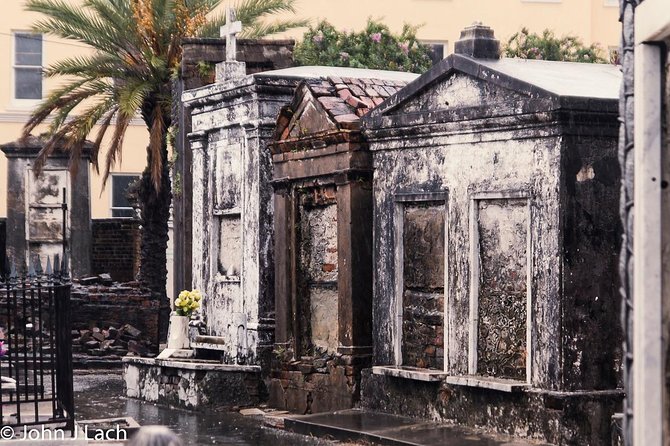
After the French-period stop, the route shifts into civic power with City Hall of the Spanish and Americans til the Civil War. This stop may sound less romantic than a cathedral or a tavern, but that’s exactly why it matters.
Public buildings are where control shows up in plain sight. When you hear how civic authority evolved through Spanish and American rule, the Quarter’s “personality” becomes clearer. It explains why certain street patterns, institutions, and public spaces feel the way they do—and why changes weren’t always gentle.
This part is also where you’ll likely get the tour’s sharpest sense of cause and effect. Dark history isn’t only crimes and ghosts. It’s also systems, laws, and who got protected versus who had to fight for basic safety.
Jackson Square: A Beautiful Design With a Dark Reputation
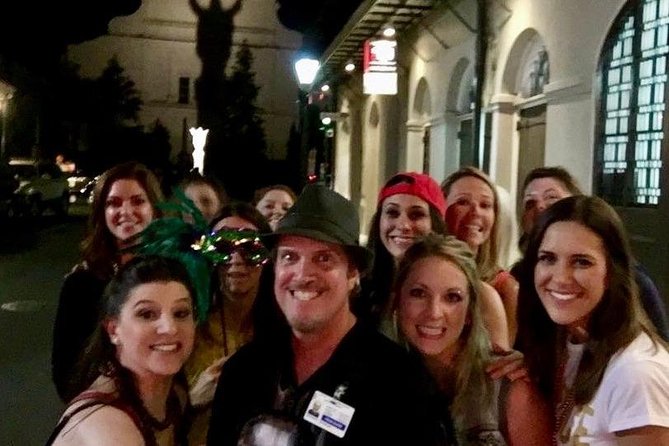
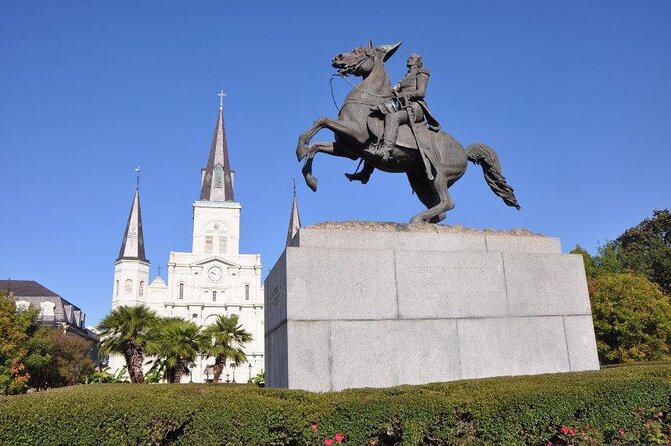
You finish at Jackson Square, described as a place of absolute horror—a strong cue that the tour doesn’t treat public spaces as neutral. Admission is free, and the square is noted as being designed by a woman.
The guide’s job here is to help you connect the beauty with what happened around it. Squares are meeting points: for celebrations, for business, and also for public tension. When you listen with that in mind, you’ll likely notice how the story reframes the space. What you thought was just scenic starts to feel like a stage with consequences.
If you want a good last photo spot, look for angles that show both open space and the edges of surrounding buildings. That’s the layout that makes Jackson Square so useful for public life—and so good for uncomfortable stories.
The Guides: Licensed Locals, Human Storytelling, and Real Personality
This tour’s reputation leans heavily on the guides. The most consistent praise is about the combination of facts and tone. Guides like Doug and Jonathan are described as friendly and strong with details, and the stories are framed in a compassionate and humanizing way.
There’s also a practical reason this matters: a “dark history” tour can go too far into shock value. Here, the emphasis is on making the stories make sense—especially when the subject matter is heavy. That’s a big part of why the experience reads more like guided understanding than just scare tactics.
One more useful detail: the guides are noted as having been licensed before Hurricane Katrina. Whether you care about licensing or not, it usually means the guide has spent years learning how to handle groups, keep the tour respectful, and read the room in real time.
Do keep this in mind: storytelling style can vary. If you prefer ultra-tight timing and minimal rambling, you might want to prepare yourself mentally for longer explanations at the stops.
Price and Value: What $30 Buys You in the French Quarter
At $30 per person for about two hours, the price lands in the sweet spot for a walking tour with multiple major landmarks. The best value angle here is that the tour includes stops where admission tickets are free. So you’re not paying extra to access the places that frame the story.
Also, you’re paying for a guide who can connect those buildings into a single thread. If you tried to do this on your own, you’d still need a lot of reading and a lot of navigation. With a set route and a guide, you get the city context without doing the homework in advance.
This is the kind of tour that pairs well with other plans. You don’t need another big activity afterward right away, because the ending at Chartres keeps you close to dinner and evening strolling.
Who This Tour Suits (and Who Might Prefer a Lighter Walk)
This tour is best for you if you:
- want real stories connected to recognizable French Quarter locations
- like hearing the city’s darker side without it turning into cheap shock
- enjoy history that’s explained through places, not just dates
It may be less ideal if you:
- hate long explanations and need the guide to stay ultra-brief
- prefer a purely upbeat French Quarter introduction
- get impatient on sidewalks and struggle to keep pace with a group
If you’re traveling as a couple, this format works well because you’re close to each other and can actually talk while walking. If you’re traveling with a teen or adult who loves stories and local context, this also tends to click.
Quick Practical Tips Before You Go
A few things that will make your night smoother:
- Wear shoes you trust. You’re walking multiple Quarter blocks.
- Bring water if you get thirsty early, even at 5:00 pm.
- Keep your phone charged so your mobile ticket is easy to access.
- If you need to ask questions, do it at stops where you’re not blocking others.
The tour notes that service animals are allowed and that it’s near public transportation, which is useful if you’re pairing it with other parts of the city.
Should You Book This Dark History Tour?
Book it if you want a value-packed French Quarter walk that treats dark history with seriousness and a human tone. The $30 price makes sense because you’re not just paying for walking—you’re paying for a guide who can tie together cathedral authority, tavern life, French-period survival, and civic power in one coherent route.
Skip it or choose a different option if you need a short, light tour with minimal talking. This experience is story-driven, and sometimes that means longer explanations at stops.
If you’re choosing between a general “French Quarter highlights” walk and this one, think about your mood. When you want atmosphere plus context—and you’re ready to look at the city’s past honestly—this tour is a strong pick.
FAQ
How much does the Dark History Tour cost?
It costs $30.00 per person.
How long is the tour?
The tour lasts about 2 hours.
What time does the tour start?
The listed start time is 5:00 pm.
Where do I meet the tour?
You meet at Pirate’s Alley Cafe, 622 Pirates Alley, New Orleans, LA 70116.
Is the tour in English?
Yes, it’s offered in English.
How big is the group?
The tour has a maximum of 28 travelers.
Is there a separate admission fee for the stops?
The stops listed for the itinerary have free admission tickets.
What happens if the tour is canceled due to weather?
If it’s canceled due to poor weather, you’ll be offered a different date or a full refund.