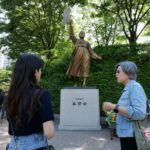
A hard lesson starts with a quiet walk. This tour connects Korea’s independence struggle under Japanese rule to the later fight for democracy, using real sites like Seodaemun Prison, Tapgol Park, and the former KCIA area at Namsan. I especially like the way it’s split into two focused options—Fight for Independence and Road to Democracy—so you can match your interests. I also appreciate the small group size (up to 10) and the English guides, including Joseph and Jonathan (both praised as friendly and very well prepared).
One consideration: it’s emotionally heavy. You’ll be looking at torture, repression, and political oppression, and the day can run longer than you expect, so plan for a bit of emotional and physical fatigue by the end.
In This Review
- Quick hits before you go
- Walking the sites where freedom cost real lives
- Fight for Independence: Seodaemun to Tapgol Park
- Road to Democracy: museums, markets, and pressure at Namsan
- How the two packages connect (and why that matters)
- What the tour includes (and what you need to plan)
- Best for the kind of traveler who wants meaning, not just photos
- Price and value: is $57.14 a good deal?
- Should you book Blood & Tears: Korea Independence and Resistance?
- FAQ
- FAQ
- Which package should I choose: Fight for Independence or Road to Democracy?
- How long is the tour?
- How much does the tour cost?
- What’s included in the price?
- Are meals included?
- Is the ticket digital?
- Do I need to remove my shoes anywhere?
- How many people are in the group?
- Can the itinerary change?
- What if I need to cancel?
Quick hits before you go
- Two optional storylines: choose Fight for Independence only, Road to Democracy only, or both for a fuller timeline
- Seodaemun Prison History Hall: a major stop with about 1 hour 35 minutes and admission included
- Tapgol Park and March 1st Movement: built into the independence route, not treated as a side note
- Namsan KCIA area and the Democracy Foundation: the oppression chapter comes later, showing how the struggle shifted after liberation
- Practical comfort details: public transport is included, and Dilkusha requires shoe removal with slippers provided
Walking the sites where freedom cost real lives
This is not a “Korean history greatest hits” tour. It’s a Seoul dark history route that follows how ordinary people resisted, got punished, organized anyway, and kept pushing for political change long after formal independence. If you want the story behind the headlines—who suffered, who fought, and how resistance turned into democracy—this format helps a lot.
What makes the tour feel manageable is the clear structure. You get a “Then” route tied to the colonial era, and a “Now” route tied to postwar political struggle. You can do one package in roughly half a day or combine both for a longer day, with the final path built around the most important sites in each period.
The English guidance is a standout in the reviews. Names you’ll see mentioned include Joseph and Jonathan, both described as knowledgeable, friendly, and ready with details and behind-the-scenes context. That matters here because the places are heavy. A good guide helps you connect the physical setting to the human story—without turning it into shock value.
You can also read our reviews of more tours and experiences in Seoul.
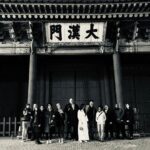
Fight for Independence: Seodaemun to Tapgol Park
If you pick the Fight for Independence option, your day starts at one of the most sobering places in Seoul: Seodaemun Prison History Hall. This former prison is where freedom fighters were held and brutalized under Japanese rule. The stop lasts about 1 hour 35 minutes and includes admission, so you’re not rushing past the core material.
This is the kind of site where timing matters. You’ll likely want that extra minutes to read, look closely, and absorb what you’re seeing instead of trying to speed-run tragedy. The value of including it first is simple: it sets the tone for the rest of the independence route. Once you understand what imprisonment and torture meant, the next landmarks start to hit harder.
Next you walk to Dongnimmun Gate. It’s only about 10 minutes, and admission is free, but the meaning is the point. Dongnimmun was built as a symbol connected to sovereignty and resilience, then later became a quiet witness during colonization. On a guided route like this, you learn what to notice—how architecture becomes propaganda, and how symbols get repurposed by those in power.
Then comes Dilkusha (the Albert W. Taylor House). This stop is about 30 minutes and admission is free. Dilkusha is different from the prison: it’s a Western-style residence linked with an American journalist who helped expose Japan’s atrocities to the world. That detail matters because it expands the story beyond Korea’s own suffering. It shows how international attention—at least in some form—could strengthen pressure and memory.
Practical note: you may need to remove your shoes at Dilkusha to help preserve the residence, and slippers are provided on-site. That’s easy to miss if you don’t pack for it, so wear socks you’re okay with.
Finally, you end at Tapgol Park, about 30 minutes and free. Tapgol is the birthplace of the March 1st Movement in 1919, when public cries for independence sparked a nationwide uprising. In a good tour flow, this ending feels like a release after the prison. You’ve moved from confinement and violence to collective action—and the fact that the movement began at a public park is a reminder that resistance wasn’t only underground.
Road to Democracy: museums, markets, and pressure at Namsan
If you choose the Road to Democracy option, you’ll start with the big picture at the National Museum of Korean Contemporary History. This stop takes about 1 hour, and admission is free on the tour. It’s designed to help you connect postwar recovery, rapid change, and the political tensions that followed.
Museums can be hit-or-miss on history tours, but the value here is the framing. This is where you get the timeline your later stops depend on. Without that context, Namsan and the democracy-focused exhibits can feel like isolated locations instead of steps in a larger national story.
Then you head to Tongin Traditional Market for about 1 hour. This is your lunch break, and it’s deliberately placed in the middle of the day. Even though the tour theme is heavy, this stop keeps the experience grounded. You’re back in everyday Seoul—people shopping, eating, moving through the same kind of space that existed while politics were boiling.
After lunch comes Namsan, about 1 hour. This is a key moment because Namsan hides a dark past connected to the KCIA period. The hill location is peaceful today, but the tour uses that contrast to teach you what happened there—interrogation and torture of dissidents during military rule. If you’ve ever visited a beautiful viewpoint and wondered how history can sit quietly beneath it, this stop gives you the answer.
The final stop is the Korea Democracy Foundation, about 40 minutes and free. It’s housed in a former police building, which makes the exhibits more than just reading panels. You see political repression in physical form. The foundation honors Korea’s fight for democracy and includes exhibits on protests, uprisings, and reform efforts, with a focus on ordinary citizens who kept pushing even when the cost was high.
One practical consideration: the visit to the foundation may be adjusted depending on on-site conditions. That’s not a dealbreaker, but it’s a reminder this tour has to work with real-world venue operations, not just a fixed script.
How the two packages connect (and why that matters)
Doing both packages—Then and Now—changes how you understand the story. You stop thinking of independence and democracy as separate chapters, and you start seeing continuity: resistance methods, courage under pressure, and the way repression can change costumes after one era ends.
You’ll also notice a pattern in the places chosen. Independence is shown through a prison, symbols of sovereignty, testimony connected to international attention, and the public spark of March 1st. Democracy is shown through institutions that document the postwar period, a daily-life market break that keeps the day human, and the sites of surveillance and interrogation that explain how political dissent was controlled.
This is where the guides earn their praise. Joseph and Jonathan are mentioned for being not just friendly, but prepared—able to connect the dots between locations. When the information is timed well, you remember it. When it’s dumped, it turns into dates. Here, the tour’s structure is built to keep the story moving.
What the tour includes (and what you need to plan)
From a value standpoint, the package price is straightforward: $57.14 per person. That includes an English-speaking guide, admission fees, and public transportation costs during the tour. Meals are not included, which is smart because it lets you eat at Tongin Market during the Road to Democracy route without paying for boxed lunches.
In terms of length, expect roughly 4 to 7 hours depending on whether you choose one package or both. You’ll also want to wear shoes you can walk in for repeated stops. Some places are free (Dongnimmun Gate, Dilkusha, Tapgol Park, Tongin Market area, Namsan, Korea Democracy Foundation), but the experience still needs real time for reading and reflection.
Logistics are kept simple with a mobile ticket and a group cap of 10 travelers. That small limit helps the guide keep control of the pacing—important when you’re moving through sensitive sites and want everyone to stay together.
Finally, the day can flex because the itinerary is subject to traffic and weather conditions. That’s normal in Seoul, but it’s worth keeping in mind if you’re connecting to other plans right after.
Best for the kind of traveler who wants meaning, not just photos
This tour is especially good for you if:
- You like political and social history with real locations tied to it
- You’re the type who reads the signs and wants context, not just a “seen it” stamp
- You want an organized route in Seoul that connects major points—colonial rule to modern democracy
It may be less ideal if you prefer light entertainment history tours. This one leans serious, and it asks you to sit with the realities of torture and repression.
The reviews also highlight that the tour can feel longer than expected, but the consensus is that the extra time is used well. That lines up with the pace: you’re not only passing through; you’re stopping long enough to learn what each place represents.
Price and value: is $57.14 a good deal?
For Seoul, getting an English guide plus admissions plus transport in a single package can be a strong deal—especially with a small group. You’re paying for organization, context, and direct access to sites where “wandering alone” would take longer and might leave gaps in meaning.
The only extra cost you’ll plan for is meals, since they’re not included. If you already know you’ll eat at Tongin Market for lunch, you can treat the tour price as mostly all-in for the important parts: guide, entry fees, and transit.
If you’re booking with a plan to do both packages, the value tends to be even better because you’re using the guide time across multiple linked locations instead of paying separately for two partial experiences.
Should you book Blood & Tears: Korea Independence and Resistance?
I’d book it if you want a guided Seoul history day that connects independence to democracy and explains the cost behind both. The biggest strengths are the route clarity—Then versus Now—and the guide quality people call out, including Joseph and Jonathan. If you’re ready for heavy themes and you like to leave a site with a clearer story than you arrived with, this tour fits well.
Skip it (or do only one package) if you know you don’t handle dark history well, or if you’re pressed for time and want something shorter and less emotionally intense.
FAQ
FAQ
Which package should I choose: Fight for Independence or Road to Democracy?
If you want the colonial-era resistance story, choose Fight for Independence. If you want postwar struggles and the fight for democracy, choose Road to Democracy. You can also choose both for a fuller timeline.
How long is the tour?
The experience runs about 4 to 7 hours depending on which package you choose.
How much does the tour cost?
The price is $57.14 per person.
What’s included in the price?
It includes an English speaking guide, public transportation fees during the tour, and admission fees.
Are meals included?
No. Meals are not included. The Road to Democracy route includes time at Tongin Market for lunch.
Is the ticket digital?
Yes, it uses a mobile ticket.
Do I need to remove my shoes anywhere?
For the Fight for Independence package, you may need to remove your shoes when visiting Dilkusha. Slippers are provided on-site.
How many people are in the group?
The tour has a maximum of 10 travelers.
Can the itinerary change?
Yes. The itinerary can be affected by traffic and weather. Also, the visit to the Korea Democracy Foundation may be adjusted depending on on-site conditions.
What if I need to cancel?
You can cancel for a full refund up to 24 hours before the experience starts.