REVIEW · WILLIAMSBURG VIRGINIA
Williamsburg: Echoes of Twilight Late-Night Ghost Tour
Book on GetYourGuide →Operated by US Ghost Adventures · Bookable on GetYourGuide
Twilight turns Williamsburg into a ghost story. On this late-night ghost walk, I like how the guide threads grim, famous names into the real streets, from Blackbeard’s crew to witch trials. The other thing I enjoy is how the tour leans on specific locations, especially the stop at the Public Gaol, where Mr. Scratch becomes a clue you’re meant to react to.
Still, don’t count on scary sightings. Even with a solid, history-heavy script, you may leave without any clear paranormal moments, and if people bring bright flashlights, it can mess with the mood.
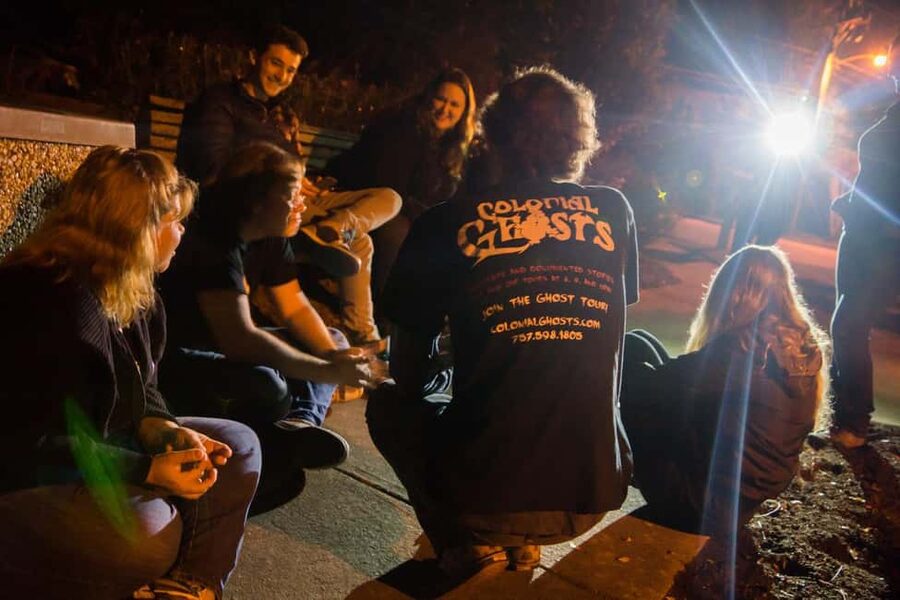
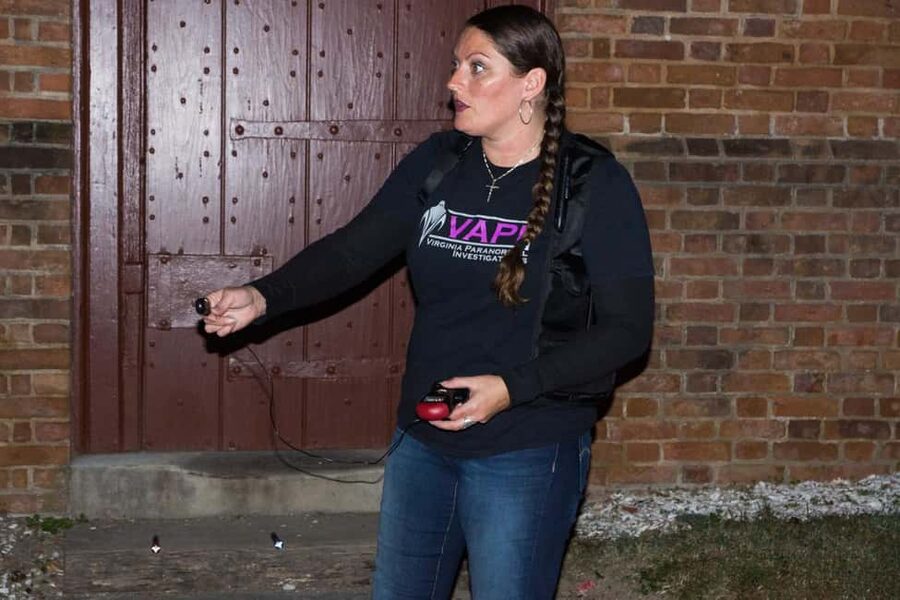
For about $30 and roughly 2 hours, you trade daytime Colonial Williamsburg costumes for a darker walk led by a guide in a black US Ghost Adventures shirt and carrying a lantern.
In This Review
- Key things to love about Echoes of Twilight
- Finding your feet at Merchant’s Square after dark
- Public Gaol and Mr. Scratch: the lead-up to the scare
- Eastern Lunatic Asylum: why the stories feel heavier
- More than one kind of haunting in Colonial Williamsburg
- Peyton Randolph House: the cursed-home finale
- Price and value: what $30 buys you in 2 hours
- Practical tips so the night stays fun, not frustrating
- Should you book Echoes of Twilight in Williamsburg?
- FAQ
- How long is the Williamsburg Echoes of Twilight Late-Night Ghost Tour?
- What does the $30 price include?
- Where does the tour meet?
- What should I bring?
- Does the tour run rain or shine?
- Is the tour suitable for people with mobility impairments?
- Is there a walking limit?
- Are video recordings allowed during the tour?
- Can I smoke or bring alcohol?
- Is it possible to reserve now and pay later?
- What is the cancellation window?
Key things to love about Echoes of Twilight
- Mr. Scratch at the Public Gaol: a specific entity tied to a specific, very foreboding building
- Eastern Lunatic Asylum stories: a search for tortured spirits connected to an 18th-century setting
- Mad Lucy comes up by name: one patient’s story is treated as ongoing and personal
- Peyton Randolph House finale: blood-red glow vibes paired with grim tales tied to the site
- Real history mixed with ghost lore: Blackbeard, civil war soldiers, and witch trials show up in the narrative
Finding your feet at Merchant’s Square after dark
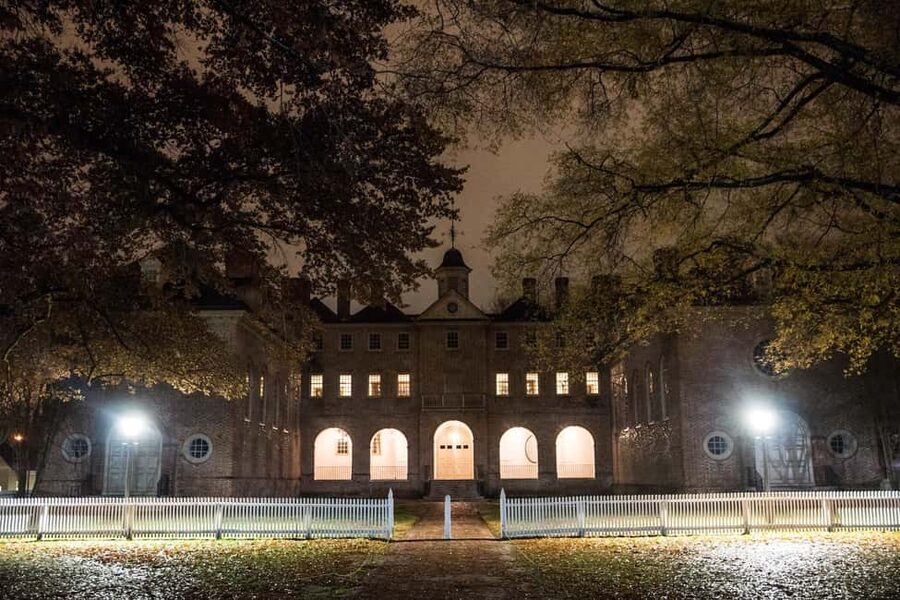
This is a late-night walk, which means your first win is the setting. You start when most shopkeepers have locked up and the streets quiet down, so the whole experience shifts from “costumed town” to “empty Colonial streets.” That change matters. You’re not just hearing ghost talk in the daylight.
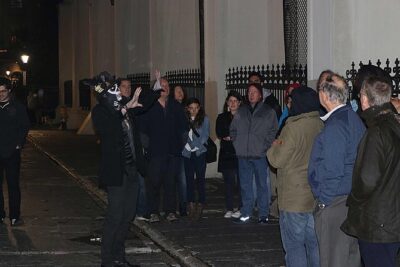
The meet-up point is 428 W Duke of Gloucester St in Merchant’s Square, by the sitting statue of Thomas Jefferson on the bench. You’ll be between Precious Gem Jewelry Store and the Kimball Theater area, and your guide will be easy to spot in a black US Ghost Adventures t-shirt with a lantern in hand. If you’re the type who hates wandering at night, you’ll appreciate having something solid to look for.
Before you go, plan like you’re walking at night for two hours: comfortable shoes and weather-appropriate layers. The tour runs rain or shine, so bring the jacket you’ll actually wear when the wind kicks up. Also, no smoking, alcohol, or drugs are allowed, and video recording is off the table. You’ll want to keep your hands free anyway, since you’ll be moving and stopping often.
You can also read our reviews of more tours and experiences in Williamsburg Virginia.

Public Gaol and Mr. Scratch: the lead-up to the scare
The Public Gaol is the tour’s first big emotional jump, and it’s easy to see why. It’s the kind of place that already feels like a warning sign, even before anyone starts speaking. Here, the story centers on an entity named Mr. Scratch, and the guide frames it as something you can try to connect with—more like a local “if you’re listening, you might notice” situation than a cheesy gimmick.
What I like about this stop is the balance. You’re not only hunting goosebumps. You’re also learning what incarceration and public punishment meant in that time period, and how that cruelty is folded into the ghost lore. The tour uses the physical setting as the anchor. You stand there, you look around, and you hear how the building’s past connects to the spirits people believe are still around.
One practical consideration: this is still a walking tour, so you’ll want to pay attention when you’re told where to stand and when to keep moving. At night, footing and crowd flow matter, especially if your group includes people who aren’t used to uneven historic sidewalks. If you’re hoping for paranormal activity, this is where your brain will start scanning hardest.
Eastern Lunatic Asylum: why the stories feel heavier
Next comes the Eastern Lunatic Asylum portion, and it shifts the tone. This isn’t horror for horror’s sake. The narrative focuses on tortured spirits trapped in an 18th-century asylum setting, and the guide treats the suffering as part of why these stories linger.
The stop becomes more than a “ghost stop.” It becomes a lesson in how people in the past handled mental illness, punishment, and fear. That’s where the emotional weight lands. Even if you’re skeptical about ghosts, the history tied to places like this can still hit hard because it’s human and specific.
Then you’ll hear about a patient named Mad Lucy, with the story presented as someone whose presence is still felt to this day. Whether you believe every detail or not, naming a person changes the tone. It stops being an abstract spook and turns into a portrait—someone who had a life and a fate, not just a legend.
Tip for keeping it enjoyable: don’t force yourself to “perform fear.” Instead, listen for what the guide says about the place itself: what it was used for, why people feared it, and how that context shapes the ghost tales. That’s how you get the most out of the stop, and it also helps the tour feel grounded rather than purely theatrical.
More than one kind of haunting in Colonial Williamsburg
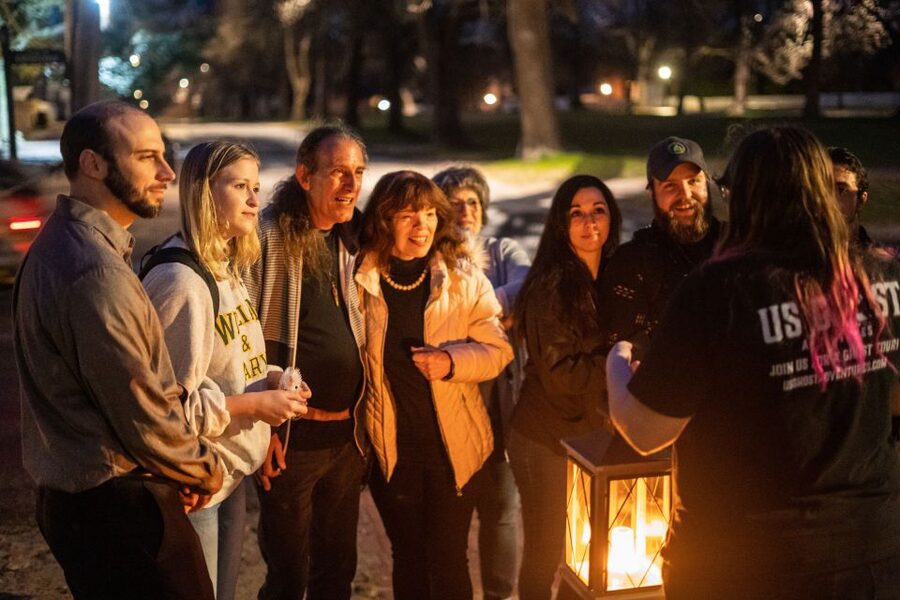
A big part of the value here is that the walk connects multiple threads of dark folklore to the Colonial Williamsburg setting. You’ll hear tales tied to Blackbeard’s crew, civil war soldiers, and witch trials. That variety matters because it gives you a fuller picture of what people in this area may have feared, mythologized, and repeated.
Here’s the practical reason I think this works: the guide isn’t just naming spooky sites. They’re explaining how different eras and events can layer on top of each other in the public imagination. Williamsburg has a lot of daytime programming, sure. At night, the same streets feel like a stage where old stories overlap.
Also, I like that guides are part of the engine. In the experience history, people singled out guides like Austin and Patrick for keeping the tour fun while staying focused on facts and the places you’re standing in. One thing that came through strongly was how guides stayed mindful of walking ability in the group and adjusted pacing when needed. That’s not just politeness—it changes whether you can actually enjoy the stops.
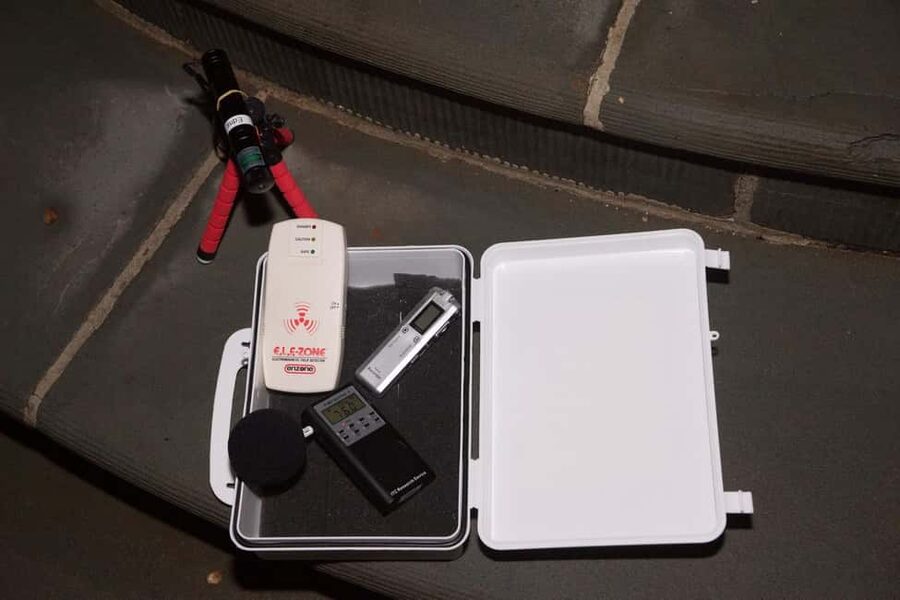
And if you’re curious about paranormal technique: some guides also share tips and tricks people have used in the past to try to catch paranormal occurrences. That doesn’t mean you’ll get results. But it does make the experience feel interactive, like you’re part of the search instead of watching someone talk at you.
Peyton Randolph House: the cursed-home finale
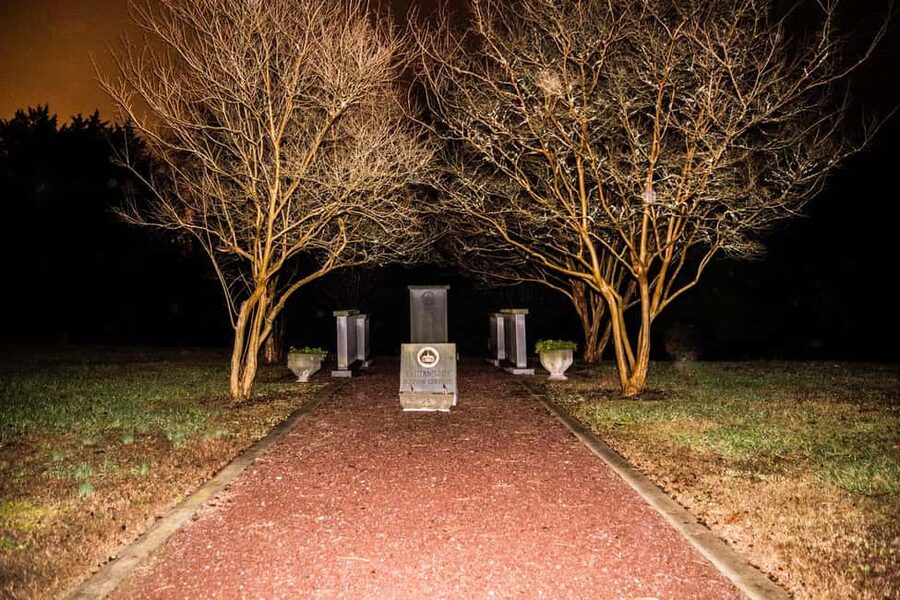
The walk ends at the Peyton Randolph House, described as one of the most haunted, cursed homes ever built. By this point, the tour has pulled you through gaol fear and asylum dread, and the final stop lands with a different kind of chill.
The story centers on a few heavy themes tied to the site: a vicious slave owner, a Native American burial ground, and violent spirits. It’s important to say this plainly: these aren’t jump-scare stories built only for entertainment. They’re layered with historical cruelty and loss, and the guide’s job is to make sure the meaning doesn’t get watered down.
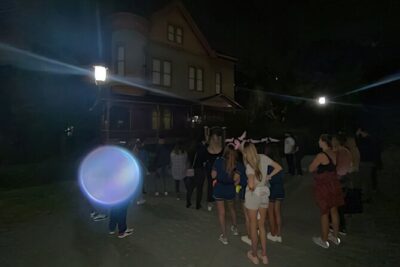
Then there’s the mood cue: you’ll stand in what’s described as a blood-red glow while hearing these tales. This is where the tour leans hardest into atmosphere. If you’re someone who likes your ghosts with a setting that feels intentionally theatrical, this is your payoff.
If you’re the type who prefers a lighter vibe, go easy on expectations. This finale isn’t about playful spooks. It’s about discomfort that comes from understanding how violence can echo through time—and why people attach legends to certain houses, not just certain streets.
Price and value: what $30 buys you in 2 hours
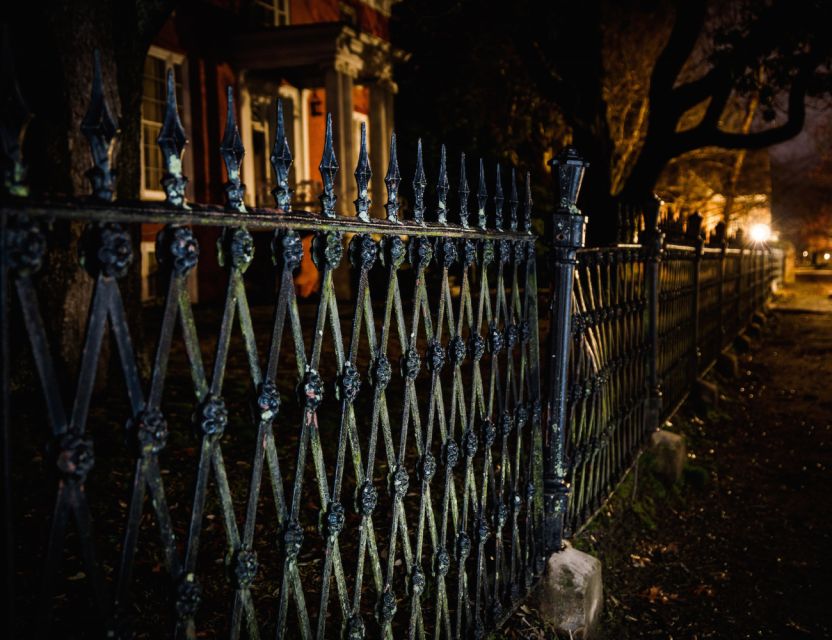
At $30 per person for about 2 hours, you’re paying for two things: a night-time guide who connects the stories to specific places, and the structure that keeps you moving between those sites. You’re not just buying “a scary walk.” You’re buying a guided narrative that makes the town’s darker history feel specific instead of vague.
This matters for value because the tour includes well-researched history and authentic local ghost stories. Even when someone didn’t end up experiencing paranormal activity, they still found the tour worth it due to the historical facts and the guide’s delivery.
You’re also getting a practical convenience: the tour includes an express security check and helps you skip the line through express security. That doesn’t sound spooky, but it can save real time at the start of your night.
What you’re not getting is transportation. If you’re staying outside the core area, you’ll want to plan how you’ll get to 428 W Duke of Gloucester St. Once you’re there, the rest is straightforward walking.
Practical tips so the night stays fun, not frustrating
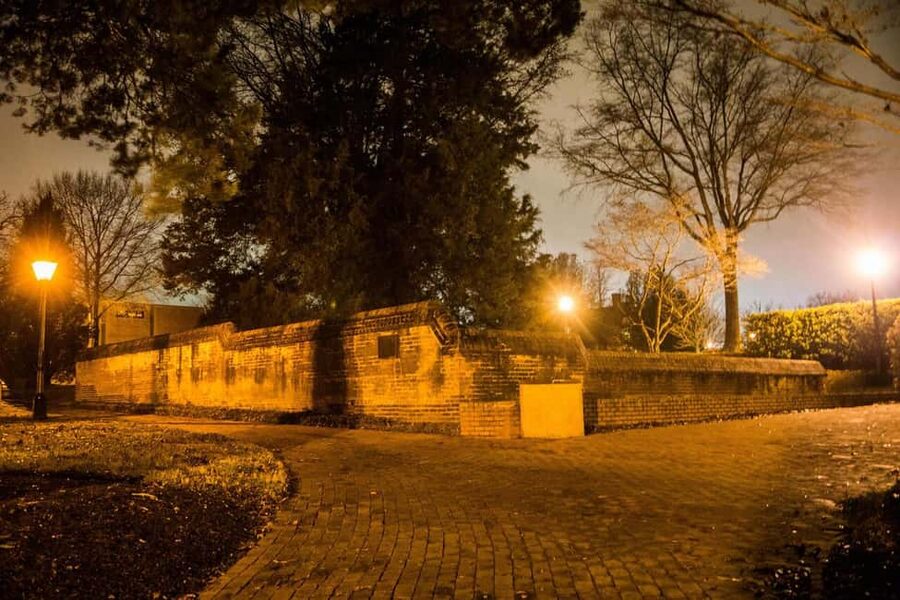
Here’s how to make your ghost walk go smoothly.
Wear shoes you can trust. The tour is not recommended for people who can’t walk more than a mile, and it’s not suitable for people with mobility impairments. That’s not a judgment call—it’s just the reality of a late-night walking route.
Dress for weather. It runs rain or shine. Bring the layer for cold wind, and if it’s wet, consider shoes with grip.
Keep your device rules simple. No video recording is allowed, and you should avoid anything that looks like you’re ignoring the guide’s instructions around stops.
Use lighting smartly. One snag people pointed out is that some participants use blinding flashlights, which can make it harder for everyone else to see and enjoy the walk. If you’re bringing any light, keep it discreet and aimed. Better yet, follow the guide’s lead for what feels appropriate.
Finally, manage expectations about paranormal results. It’s a ghost tour, not a lab test. Some people may not feel anything beyond the history and atmosphere, and that doesn’t mean the experience failed. If you’re there for mood, storytelling, and specific Colonial sites, you’ll likely enjoy it even without a clear “proof moment.”
Should you book Echoes of Twilight in Williamsburg?
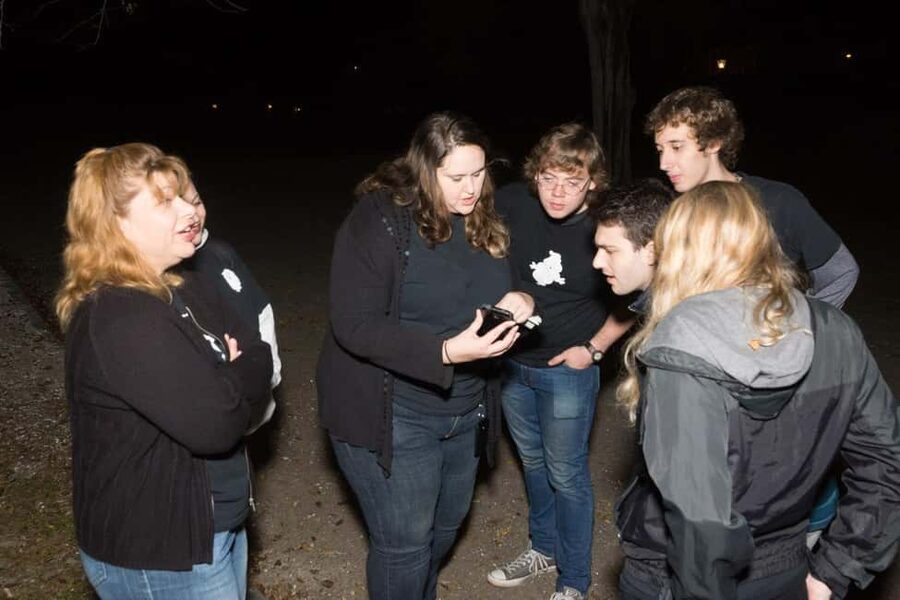
Book it if you want a late-night Williamsburg experience that takes the darker side of Colonial life seriously. You’ll get real locations like the Public Gaol, the Eastern Lunatic Asylum, and the Peyton Randolph House, and you’ll hear multiple strands of lore tied to names and events such as Blackbeard’s crew, witch trials, and civil war soldiers.
Skip it (or at least reconsider timing and expectations) if you need guaranteed paranormal activity, or if your group will struggle with walking at night for two hours. Also think twice if bright lighting from other people would ruin your mood—some folks have had that issue.
FAQ
How long is the Williamsburg Echoes of Twilight Late-Night Ghost Tour?
It lasts about 2 hours.
What does the $30 price include?
You get the haunted walking tour with a live English-speaking guide, plus well-researched and credible history and authentic local ghost stories.
Where does the tour meet?
It meets at 428 W Duke of Gloucester St, Williamsburg, VA 23185, at the sitting Statue of Thomas Jefferson on the bench between the Precious Gem Jewelry Store and the Kimball Theater area in Merchant’s Square.
What should I bring?
Bring comfortable shoes and weather-appropriate clothing.
Does the tour run rain or shine?
Yes, it takes place rain or shine.
Is the tour suitable for people with mobility impairments?
No, it is not suitable for people with mobility impairments.
Is there a walking limit?
The tour is not recommended for people who cannot walk more than a mile.
Are video recordings allowed during the tour?
No, video recording is not allowed.
Can I smoke or bring alcohol?
Smoking is not allowed, and alcohol and drugs are not allowed.
Is it possible to reserve now and pay later?
Yes, reserve now & pay later is available.
What is the cancellation window?
Free cancellation is available up to 24 hours in advance for a full refund.