REVIEW · TUCSON
Tucson Ghost Tour: Sinister Sins & Desert Tears
Book on GetYourGuide →Operated by US Ghost Adventures · Bookable on GetYourGuide
Old Tucson gets a whole new personality after sunset. This 1-hour Tucson Ghost Tour weaves 1930s gangster lore with Arizona hauntings in a tight walking route. You’ll hit Hotel Congress, track the stories behind major Tucson legends, and hear ghostly tales set from the wild west to a later 1980s incident.
I especially like how the guide leans on specific stops instead of vague spooky talk. I also like the story style: you’re walking through recognizable Tucson streets while the history gets explained in plain, memorable chunks. One possible drawback: the pace may feel like a lot for some people, and there’s at least one report of a guide not showing up, so plan to arrive early and stay alert.
If you’re planning this around a hot-weather trip, think of it as a night activity with real structure. Wear comfy shoes, bring the right layers for cooler evening air, and be ready to keep your phone in your pocket since video recording isn’t allowed.
In This Review
- Key Highlights Worth Showing Up For
- Starting at the Pima County Historic Courthouse Fountain
- From Wild West Outlaws to the 1930s Gangster Era
- Hotel Congress After Dark: Tucson’s Haunted Anchor
- Walking Tucson’s Spooky Circuit: Fox Theatre and UNS Energy Corp
- The Wyatt Earp Moment and Why Exact Locations Feel Creepier
- Ending in Montgomery: Group Energy Meets More Stories
- Price and Time: Does $24 for One Hour Make Sense?
- What to Bring (and What Rules Actually Change Your Experience)
- The Guide Experience: Detail, Tone, and One Caution Flag
- Should You Book the Tucson Ghost Tour: Sinister Sins & Desert Tears?
Key Highlights Worth Showing Up For
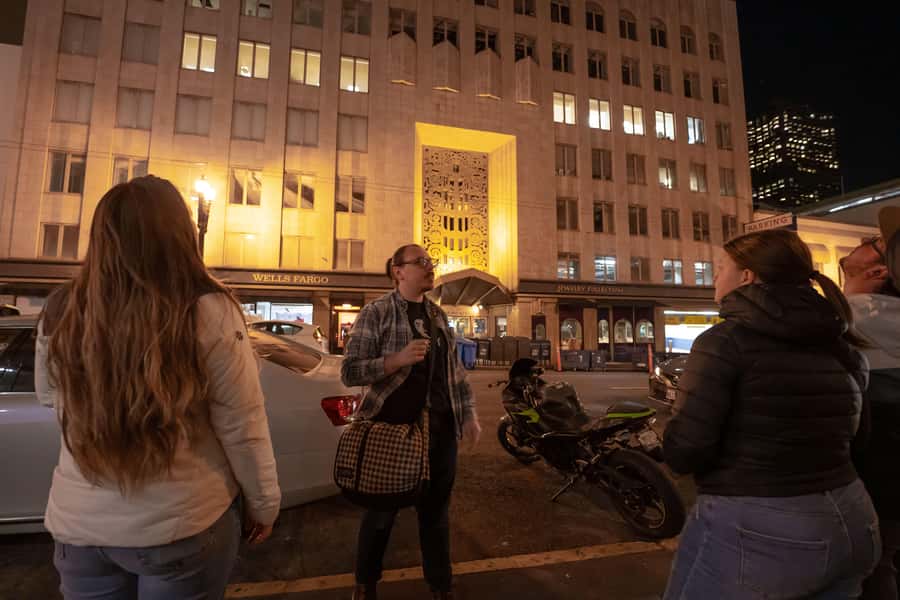
- Hotel Congress spotlight: one of Arizona’s most haunted hotels becomes a major story anchor
- John Dillinger links: you start at the Pima County area tied to victims tied to the Dillinger story
- Wyatt Earp location talk: you’ll hear the account tied to the exact spot where he ended a man’s life
- Fox Theatre ghost hunt: a panhandler ghost story is part of the walk
- Zelda Fitzgerald moment: yes, the ghost of Zelda Fitzgerald is part of the fun
- Montgomery finish: the tour ends with more stories and a group-friendly mood
Starting at the Pima County Historic Courthouse Fountain
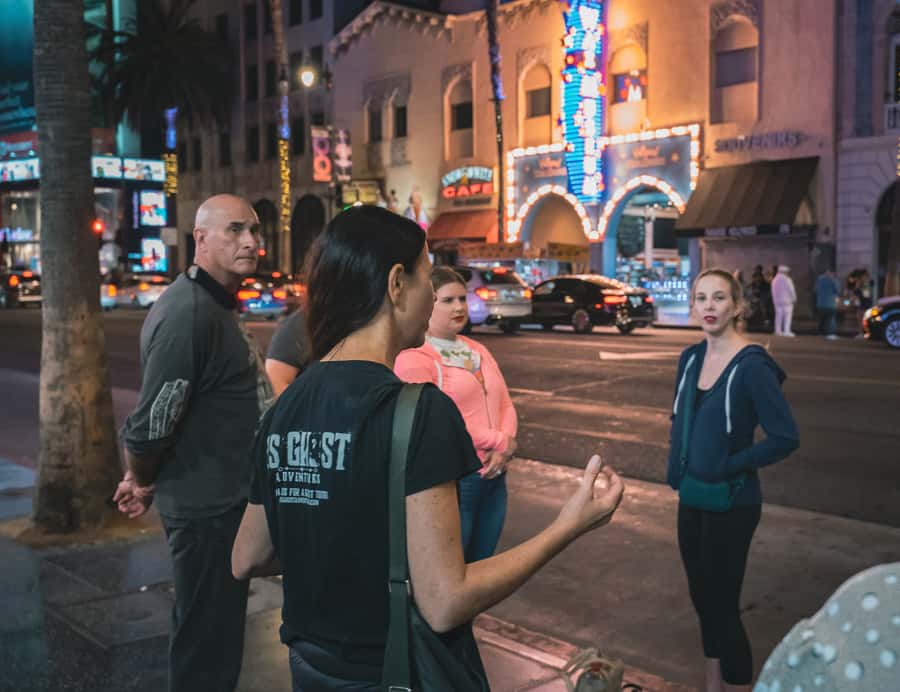
Your tour begins outside the Pima County Historic Courthouse at the fountain in the plaza behind it. The guide will be easy to spot: they wear a US Ghost Adventures t-shirt and carry a lantern. Show up about 15 minutes early so you’re not standing around while the group locks in.
This matters more than it sounds. A good ghost walk works like a play: the first few minutes set the tone, and you don’t want to miss that momentum. The courthouse meeting point also gives the tour a grounded start, since it’s a civic landmark tied to the darker corners of Tucson’s past.
A practical tip: if you’re photographing at all, plan to do it before the tour starts or just skip it. The rules say no video recording, so you’ll want to be ready to enjoy the stories with your full attention.
From Wild West Outlaws to the 1930s Gangster Era
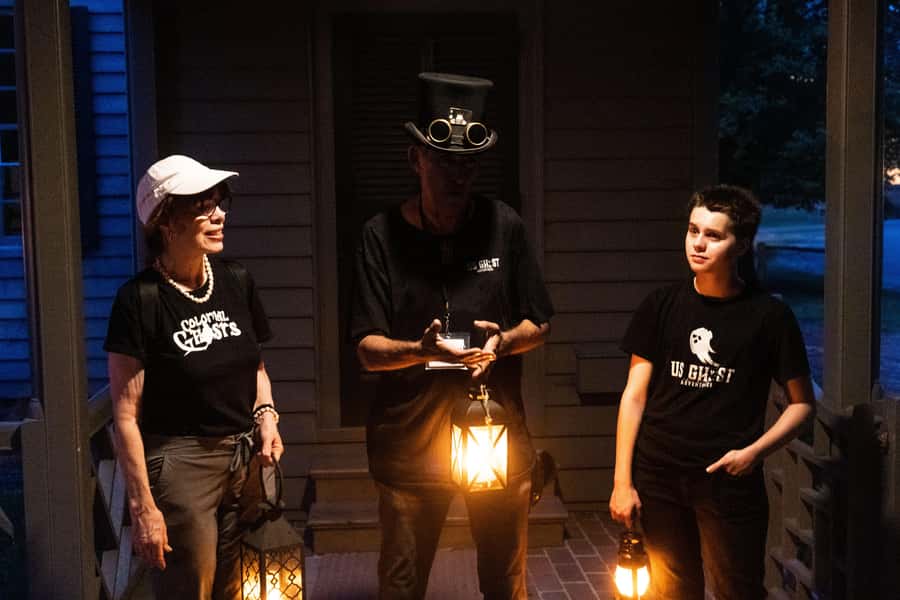
This tour’s best trick is how it moves through time. You’re not stuck in one era. The stories roll from the wild west into the prohibition and gangster years of the 1930s, then keep pulling threads forward to later strange events.
The early part of the walk centers on the courthouse area and the claim that spirits connected to John Dillinger’s victims linger nearby. Even if you don’t buy every detail, it’s still a strong way to frame Tucson at night: justice, crime, and the people caught in the middle.
Then you’ll hear about Wyatt Earp and the exact spot where he ended a man’s life. That kind of specificity is what makes a ghost tour feel real instead of generic. It’s one reason people rate this tour highly: the guide doesn’t just say there was a tragedy. You’re guided toward the physical location where the story is set.
If you’re the type who likes history but gets bored by facts-only tours, this mix helps. You get names, time periods, and locations, but the guide tells it like you’re hearing it from a storyteller friend.
Hotel Congress After Dark: Tucson’s Haunted Anchor
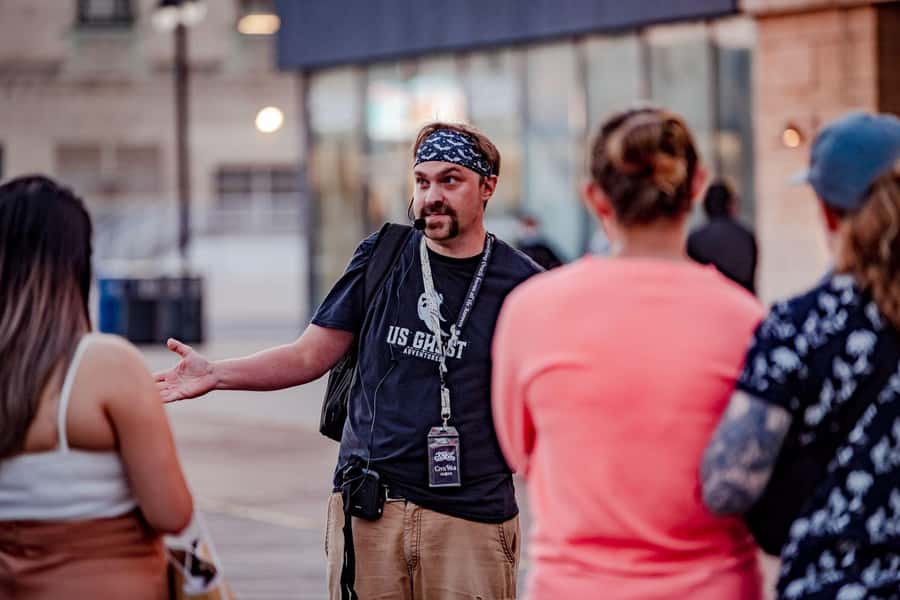
No Tucson ghost list stays complete without Hotel Congress, and here it’s treated like the tour’s big emotional stop. Hotel Congress is where you’ll feel the “old Tucson” vibe most strongly: history you can point to, plus a reputation for lingering spirits.
This is also one of the more fun chapters because the tour leans into playful hauntings, including the highlight about partying with the ghost of Zelda Fitzgerald. That’s a very specific choice, and I like it because it keeps the tour from becoming purely grim. You can handle scary stories without turning the whole experience into a long funeral.
One thing to keep in mind: the tour is only one hour total. So when Hotel Congress comes up, you may get just the right amount of time to understand why the building matters—without losing the plot. If you’re hoping for a deep, sit-down history lecture, you might wish for more time. One review even noted the storytelling could be shorter, which fits the reality of a tight schedule.
Walking Tucson’s Spooky Circuit: Fox Theatre and UNS Energy Corp
After the big anchor stops, the route keeps moving through Tucson’s darker story points. You’ll cover a mix of places tied to rumor, crime, and supernatural legends.
One highlight is the Fox Theatre, where you’re asked to search for the ghost of a panhandler. The way this is framed—like you’re looking for something in plain sight—adds energy to the walking pace. It turns the street into part of the set.
You’ll also hear stories connected to the UNS Energy Corp building, including dark secrets said to lurk under it. I’d treat this as part urban legend, part local history storytelling. That’s not a downside. It’s the point of a ghost tour: you’re hearing how the city explains its own mysteries.
A note on how to enjoy these stops: don’t mentally rush ahead. When the guide gives location-based context, they’re teaching you how to see Tucson as a layered place, not a set of random landmarks.
The Wyatt Earp Moment and Why Exact Locations Feel Creepier
The tour doesn’t rely only on famous names. It also emphasizes the idea that the story connects to a particular spot—like the exact place associated with Wyatt Earp ending a man’s life.
That matters because “haunted” can mean anything in a generic tour. But when the guide points to a precise location, you’re more likely to look at the street differently afterward. Even if you assume the ghost parts are dramatized, the human history is still real: outlaws, conflict, and consequences.
This also helps explain why people describe the tour as interesting and packed with information. It’s not just spooky sound effects. It’s history tied to place, delivered as a story while you walk.
Ending in Montgomery: Group Energy Meets More Stories
The final stretch takes you through Montgomery, with a seasoned guide and what the tour describes as a fun-loving group. I like how the ending is placed where it can shift from tense to social. A ghost tour can start serious, but it’s the wrap-up that decides if you leave feeling unsettled or entertained.
Think of the Montgomery finish as your chance to swap reactions with the group. Even if you’re quiet, you’ll have plenty of material to talk about—names, locations, and the weird-in-a-good-way details you’ll want to share later.
Since the tour is only one hour, the ending likely doesn’t feel like a separate event. Instead it’s the final phase of a continuous storyline. That continuity is a big part of the value for the price.
Price and Time: Does $24 for One Hour Make Sense?
At $24 per person for a 1-hour walking tour, you’re paying for three things: a guided storytelling route, access to major Tucson landmarks (on foot), and time-squeezing efficiency.
Is it expensive? For a 60-minute guided experience in a popular city, it’s fairly priced—especially because the tour includes not only the spooky narrative but also “well-researched, credible history” as part of what you’re buying. You’re not just paying for ghost vibes. You’re paying for a guide who connects those vibes to named locations.
Also remember what’s not included. There’s no transportation in the price. So if you’re coming from farther away, factor that in before you book. The tour is designed for a walkable nighttime route.
If you’re short on time in Tucson and want an activity that’s more than just dinner and a stroll, this fits well. If you want long, slow, detailed history lessons, you might feel the tour could be shorter—one review said that directly.
What to Bring (and What Rules Actually Change Your Experience)
This tour keeps things simple, but a few rules affect how you show up.
Bring:
- Comfortable shoes (you’ll be walking)
- Weather-appropriate clothing (evenings can feel cooler than daytime, but you’ll still want comfort)
Rules to note:
- No video recording
- No alcohol and drugs
The no-video rule is worth planning for. Instead of worrying about your phone, you’ll hear more and remember more. Ghost tours are better when you stay present.
Mobility note: it’s not suitable for people with mobility impairments. That’s the main accessibility limitation. If that applies to you or to someone in your group, it’s best to look for an alternative format.
The Guide Experience: Detail, Tone, and One Caution Flag
The guide is the whole product here, and the reviews reflect that.
The most praised aspect is the storytelling detail—one review specifically called out Kayden for giving a lot of detail. Another review praised the tour’s history and how much information you get.
But there’s also a caution. One review described a situation where the guide did not show up, and the couple was left at the start point. I can’t predict whether that happens, but it’s a real flag. So use common-sense safeguards: arrive early, confirm your booking, and be ready to reach out to the tour provider if anything seems off.
If your ideal ghost tour is tightly scripted and information-heavy, you’ll probably enjoy the way this one is presented. If you want a lighter, shorter story style, aim for a group size and timing that keeps you energized rather than overloaded.
Should You Book the Tucson Ghost Tour: Sinister Sins & Desert Tears?
Book it if you want:
- A 1-hour night activity with an actual route and real stops
- Tucson stories that mix wild west, prohibition-era crime, and haunted legends
- A guided experience that connects history to street-level place, including stops like Hotel Congress and references to Wyatt Earp and Zelda Fitzgerald
Skip it (or consider alternatives) if:
- You need an activity that’s easy for mobility needs, since it’s not suitable for mobility impairments
- You hate story-heavy pacing and prefer shorter, lighter narration (one review wished it could be shorter)
- You’re extremely sensitive to schedule mishaps, given the single report of a guide not showing up
If you’re the kind of traveler who likes to learn a city’s darker stories while still having fun, I’d say yes—this is one of those Tucson evenings that gives you something to talk about long after the walk ends.