REVIEW · MALTA
The Dark History of Valletta – Walking Tour
Book on Viator →Operated by Dark Malta Tours · Bookable on Viator
Valletta has a dark side, and it’s walking distance. In this 2-hour dark history tour, you’ll hear chilling tales tied to Malta’s capital—plus the guide’s knack for keeping each stop moving. I love the storytelling pace (it feels like a chain of cliffhangers), and I also like that the tour finishes in the center, so you can keep exploring right away. The main catch: Valletta is hilly, and the route involves going down and then climbing back up.
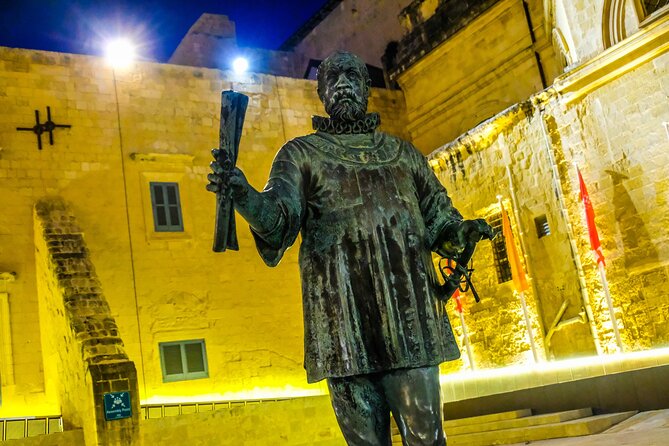
If you want a guided way to look up at the city instead of just taking photos, this works. I love that the stories aren’t just random scares; they connect to real places you can see, including the founder of Valletta, Jean de Valette, and a grotesque statue positioned overhead. One possible drawback is weather: if conditions are poor, the tour can be moved or refunded.
This is built for small groups (up to 35), in English, and it runs with a mobile ticket. You’ll also get a confirmation at booking, and the tour is designed so most people can join—just plan for hills and good shoes.
In This Review
- Key things to know before you go
- Dark stories that make Valletta feel personal on a 2-hour walk
- Price and value: $24.03 for a guided walk that pays you back fast
- Meeting at Tritons’ Fountain, then finishing at the Grand Master’s Palace
- The walking reality: hills, pacing, and staying comfortable for the full route
- Stop-by-stop: what you’ll hear in Valletta’s streets
- The knight ghost story with a modern twist
- A lovesick letter right before murder
- The church mystery of more than a hundred boys
- Jean de Valette and the grotesque statue watching overhead
- Guide quality: why Mario’s storytelling makes the 2 hours fly
- What to wear and bring for Valletta’s uneven streets
- Who should book this tour (and who might want a different plan)
- Should you book the Dark History of Valletta walking tour?
- FAQ
- FAQ
- How long is the Dark History of Valletta walking tour?
- What language is the tour offered in?
- Where does the tour start and end?
- How much does it cost?
- Is there an admission ticket included?
- Do I need a paper ticket?
- How large is the group?
- Is the tour suitable for most people?
- What happens if the weather is bad?
- Is free cancellation available?
Key things to know before you go
- Small group size (max 35): You’re not stuck in a giant crowd.
- Mobile ticket: Less hassle when you meet up.
- Ends near Grand Master’s Palace: Great location for food and drinks after.
- Dark tales tied to specific spots: The stories connect to what you’re looking at.
- Hills are part of the deal: Wear footwear you trust on uneven stone.
- Weather matters: If conditions are poor, expect a reschedule or refund option.
Dark stories that make Valletta feel personal on a 2-hour walk
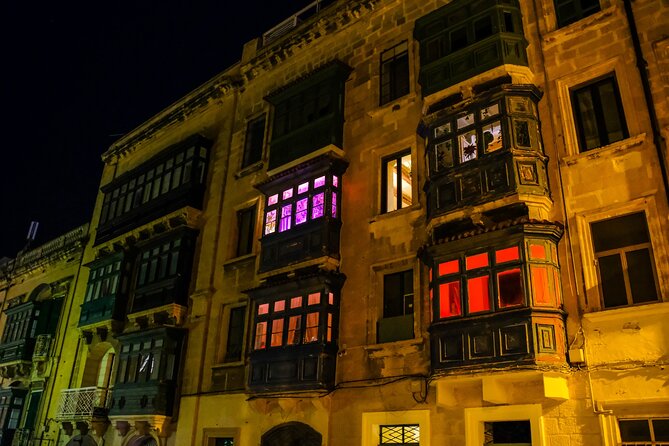
Valletta can be seen in a few ways: postcard angles, museum stops, or wandering. This tour adds a fourth option—listening. In about two hours, you get a guided route through Malta’s capital where the city becomes a stage for grim legends and macabre “what happened here” questions.
What makes it work is the blend of time periods. You’re in a 16th-century place, but the stories you’ll hear jump to modern-sounding details too, like a tale about a ghostly knight stirring up trouble in the 1990s. That mismatch is exactly why it sticks. It turns Valletta from a name on a map into a place with characters you can picture.
And yes, it’s marketed as dark history, but the tone is really about human drama: love, fear, rumor, punishment, and the strange way legends cling to stone. If you like stories that make you look up, not just forward, this is a solid use of a night or a first-time evening in town.
You can also read our reviews of more tours and experiences in Malta.

Price and value: $24.03 for a guided walk that pays you back fast
At $24.03 per person for roughly 2 hours, you’re paying for a guide-led route plus the “admission ticket free” component listed for this activity. For Valletta, that’s a reasonable rate because the time is tight and the city is walkable—but not easy.
Here’s how I’d judge value for your trip:
- You’re getting a structured route instead of wandering for hours without context.
- You get a focused storytelling experience rather than a long museum commitment.
- You end in a central spot, so you’re not spending extra time backtracking.
Could you do it on your own? Sure. But you’d miss the way the tour ties together meaning—like why certain symbols are placed where they are, and how the “truth” about the city’s founder gets framed alongside unsettling local details.
One more value point: group size caps at 35. That often means you can actually hear the guide without fighting for audio.
Meeting at Tritons’ Fountain, then finishing at the Grand Master’s Palace
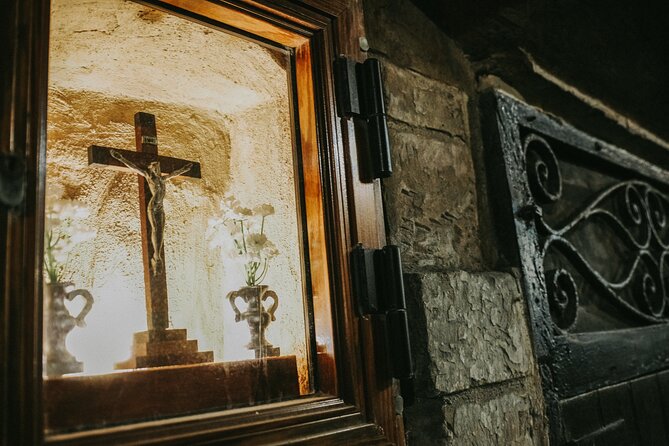
The tour starts at Tritons’ Fountain (Vjal Nelson, Il-Furjana, Malta). End point is the Grand Master’s Palace in Valletta, right in the heart of town. That matters more than it sounds.
If you start in Il-Furjana and finish by the palace, you’re naturally moving into the busiest central core. After the final story, you’ll be positioned near bars and restaurants, so you can grab dinner or a drink without planning transportation.
You’ll also find this easier if you’re using public transit, since the tour is described as near public transportation. And because confirmation is sent at booking and the experience uses a mobile ticket, you can travel with less paperwork stress.
Quick practical tip: because the end location is central, decide now how you want to continue after the tour. Do you want a casual bite, a calmer dessert stop, or a museum afterward? This tour sets you up right where most of the options are.
The walking reality: hills, pacing, and staying comfortable for the full route
Let’s talk about the elephant in the street—Valletta is not flat. The tour involves walking down and then back up. That’s not a deal-breaker, but it’s a real consideration if you’re dealing with mobility limits, sore knees, or uneven cobblestones.
What helps:
- The time is about 2 hours, so you’re not committing to an all-day slog.
- The group size is kept small, which usually means the guide can manage pace better.
- The stories are structured stop-to-stop, so you’re not spending the entire walk in silence.
Also, there’s a key experience factor: a good storyteller prevents fatigue. In one account, the guide Mario even handled a late group safely by calling to check where they were and then keeping the rest occupied with additional stories while they met up. That’s not just kindness—it’s pacing discipline. It can make the walk feel shorter.
What I recommend:
- Wear shoes with grip. Valletta’s streets can be slick or uneven.
- Bring water if you tend to get thirsty.
- If you’re easily winded, plan to slow your pace slightly and let the guide lead the group rhythm.
Stop-by-stop: what you’ll hear in Valletta’s streets
This tour is officially built around a single stop: Valletta. But inside that, you’ll move through the city’s streets while the guide delivers distinct story beats tied to what you’re seeing. Think of it as one continuous walk with multiple chapters.
Here are the story themes you can expect:
The knight ghost story with a modern twist
You’ll hear a tale about the ghost of a 16th-century knight named Oliver Starkey who, in the tour’s telling, threw parties in the 1990s—until someone persuaded him to stop disturbing the neighbors. It’s funny in a dark way, but it also signals something important: the tour doesn’t treat Valletta as a dead relic. It treats it like a place where stories keep resurfacing.
Why it matters while you walk: ghost stories work best in real locations because your imagination gets anchored to actual streets and facades. You start noticing details you’d otherwise ignore.
A lovesick letter right before murder
Next comes a shocking letter—sent by a lovesick man to his lover shortly before he murdered her. That’s the kind of plot turn that changes your mood instantly. One minute you’re hearing about the city as atmosphere; the next minute it’s human conflict, jealousy, and consequences.
If you’re the type who likes dark themes but still wants a strong narrative flow, this chapter does that job. It’s not just random gloom—it’s a story with tension.
The church mystery of more than a hundred boys
Then there’s one of those “how is this even possible?” tales: why over a hundred boys entered a church and never came out. This is the moment where the tour leans hardest into unsettling legend.
Practical takeaway: when you hear a story like this, you’ll likely start looking at architecture like it has intentions. Doors, entries, and sightlines become part of the narrative—whether you interpret it literally or as legend.
Jean de Valette and the grotesque statue watching overhead
Two of the most intriguing “connect-the-dots” parts of the tour are about meaning—people, symbols, and placement.
First, you’ll learn the truth about Jean de Valette, the founder of Malta’s capital city. It’s easy to treat city founders like textbook trivia. This tour frames him in the middle of the street-level experience, which is a better way to remember him. Instead of a name you forget after a museum visit, you associate Jean de Valette with the city’s living layout.
Second, you’ll hear about a grotesque statue positioned so it watches over people right above their heads. That detail is gold for a walking tour because it forces you to tilt your chin upward at exactly the right time. You’re not just listening—you’re checking the city for visual cues.
And honestly, that’s what makes this tour feel different from a basic “here are buildings” route. Symbols in Valletta aren’t decorative wallpaper. They’re part of the story people tell about themselves.
Guide quality: why Mario’s storytelling makes the 2 hours fly
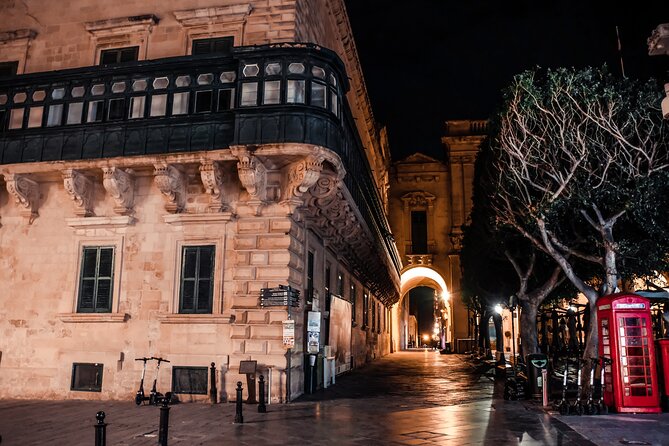
The biggest praised element in the experience is the guide’s delivery—especially Mario. The standout traits you should hope for are:
- Engaging storytelling that keeps you curious stop-to-stop
- A pacing style that builds suspense
- A habit of adjusting when the group is delayed
One account highlighted how Mario called to check on late arrivals due to Malta traffic from an event, then stalled for them without wasting time—sharing other stories while waiting. That shows the tour isn’t rigid like a clockwork march. It adapts while keeping the narrative thread.
Another strength: the guide’s style reportedly uses cliffhangers—ending one story beat right before you move to the next spot. That’s a classic technique for walking tours because it gives you a reason to keep moving. You don’t feel dragged from place to place. You feel pulled forward by curiosity.
What to wear and bring for Valletta’s uneven streets
Because this is a hilly walk with down-and-up sections, you should plan for comfort more than fashion. Keep it simple:
- Comfortable shoes with grip
- Water if you run warm
- A layer if the evening is cool
- Your mobile ticket ready on your phone
Also, consider mobility. The tour is described as suitable for most travelers, and service animals are allowed. Still, if hills are hard for you, the down-and-up route is the part to think through before booking.
Finally, since the experience requires good weather, check forecasts. If conditions are poor, you’ll be offered a different date or a full refund.
Who should book this tour (and who might want a different plan)
This tour is best for you if:
- You want a guided way to understand Valletta beyond sightseeing photos
- You enjoy dark, story-driven experiences with a clear narrative flow
- You’d rather listen to a guide than read about the city alone
- You like the idea of ending in the center for dinner or a drink
You might choose differently if:
- You’re sensitive to hills or uneven surfaces
- You’re expecting factual history only, with no legends or dramatic storytelling elements
- You need a very flat, minimal-walking experience
It’s also a good option for couples, solo travelers, and groups who want a shared “story time” that still feels like active sightseeing. With English offered and group caps at 35, you’re unlikely to feel lost.
Should you book the Dark History of Valletta walking tour?
I’d book it if you want a smart, story-led introduction to Valletta that uses the city itself as the setting. The strongest reasons are the engaging guide style (Mario is a highlight), the stop-to-stop pacing that keeps the energy up, and the way the tour ties legends to visible places like the statue overhead and the founder Jean de Valette.
If hills are your main concern, treat this as a “do it with proper shoes and a steady pace” plan—not a light stroll. And if the weather looks rough, remember the experience is tied to conditions, so flexibility helps.
FAQ
FAQ
How long is the Dark History of Valletta walking tour?
It runs for about 2 hours.
What language is the tour offered in?
The tour is offered in English.
Where does the tour start and end?
It starts at Tritons’ Fountain (Vjal Nelson, Il-Furjana, Malta) and ends at the Grand Master’s Palace in Valletta.
How much does it cost?
The price is listed as $24.03 per person.
Is there an admission ticket included?
Admission is listed as free for this experience.
Do I need a paper ticket?
You’ll use a mobile ticket.
How large is the group?
The tour has a maximum of 35 travelers.
Is the tour suitable for most people?
Most travelers can participate, but it includes walking through a hilly area with down-and-up sections.
What happens if the weather is bad?
This experience requires good weather. If it’s canceled due to poor weather, you’ll be offered a different date or a full refund.
Is free cancellation available?
Yes. You can cancel up to 24 hours in advance for a full refund.