REVIEW · SEATTLE
Sinister Sins, Scandal, and Shadows: Seattle Ghost Tour
Book on Viator →Operated by Seattle Terrors By US Ghost Adventures · Bookable on Viator
Seattle turns spooky fast on this ghost walk through downtown. I like that it leans on documented historic hauntings and starts in the 1850s, so the scary parts feel rooted in real Seattle.
I also love the tight, stop-by-stop focus around Pike Place, Post Alley, and a mortuary built in 1903, with guides like Amara, Mark, and Michael F. earning praise for storytelling.
The main drawback is simple: it’s a night walk with steps and hills, and when crowds and wind pick up, you’ll want to be ready to hear clearly.
In This Review
- Key takeaways before you go
- A one-hour Seattle ghost walk that starts in the 1850s
- Stop 1: the 1850s stories that set the tone
- Stop 2: Pike Place and Post Alley when the city gets quiet
- Stop 3: Seattle’s booming economy—and the spirits that follow it
- Stop 4: a mortuary built in 1903 with death as the purpose
- Stop 5: Seattle’s first cemetery and the building sitting above disturbed ground
- Guides make or break the experience (and the group stays moving)
- Walking and weather: the practical Seattle reality
- Price and value: is $32 for one hour worth it?
- Who should book this Seattle Ghost Tour?
- Should you book Sinister Sins, Scandal, and Shadows?
- FAQ
- How long is the Sinister Sins, Scandal, and Shadows: Seattle Ghost Tour?
- How much does the Seattle Ghost Tour cost?
- Where do I meet, and does the tour end nearby?
- Is the tour in English?
- How big is the group?
- Do I need to be physically fit for this tour?
- Are service animals allowed?
- Is food or motorized transportation included?
- Can I get a refund if I cancel?
Key takeaways before you go
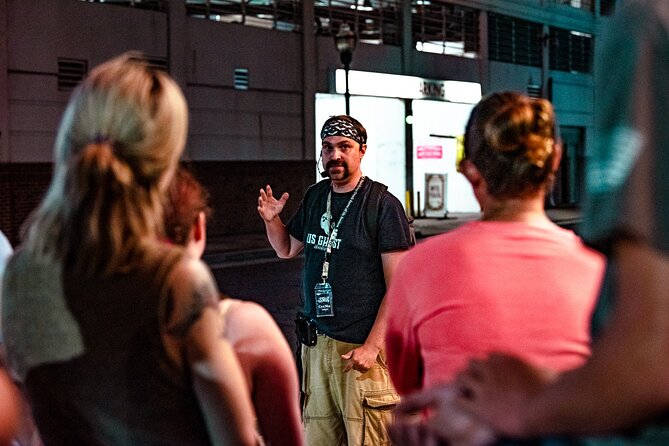
- 1850s Seattle as the opening act: you start with the city’s early dark side, not generic ghost folklore
- Pike Place and Post Alley at night: the tour aims its hardest stories at the Market area
- A clear link between Seattle’s growth and hauntings: economy and expansion are part of the ghost logic
- A mortuary built in 1903: the tour puts death and documented local lore front and center
- Seattle’s first cemetery site: disturbed burial ground + an ominous building above it
- Small-ish group (max 35): better control than mega-tours, but still expect city noise
A one-hour Seattle ghost walk that starts in the 1850s
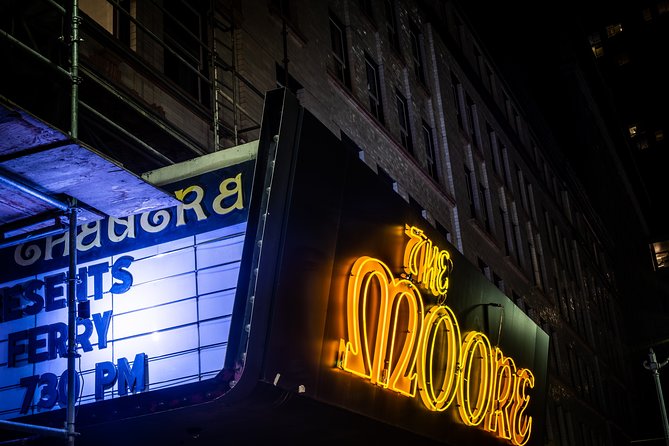
This tour is built for people who want a darker downtown Seattle story, fast. You’re out for about one hour, and the route is designed to hit the main “creepy history” landmarks without dragging on into a half-day commitment.
The strongest thing here is the approach: professional guides deliver true-story style accounts, with documented hauntings woven into the stops. That matters, because it turns the night from random scary anecdotes into a guided tour of how Seattle became what it is—and what people claimed lingered behind.
You can also read our reviews of more tours and experiences in Seattle.


Stop 1: the 1850s stories that set the tone
You begin near the Four Seasons Hotel Seattle at 99 Union St. From the start, the guide frames Seattle’s early years with unsettling history dating back to the 1850s. This is the part that helps you understand why the later stops hit harder—because the tour doesn’t treat ghosts as separate from the city’s messy growth.
In practice, this opening works best if you like context. You’ll hear about the era’s characters and conflicts, and you’ll get the sense that Seattle’s first chapters weren’t tidy. If you want purely spooky vibes with no setup, you might wish the tour moved quicker—but for many people, that early foundation is what keeps the rest from feeling like a random walk.
Stop 2: Pike Place and Post Alley when the city gets quiet
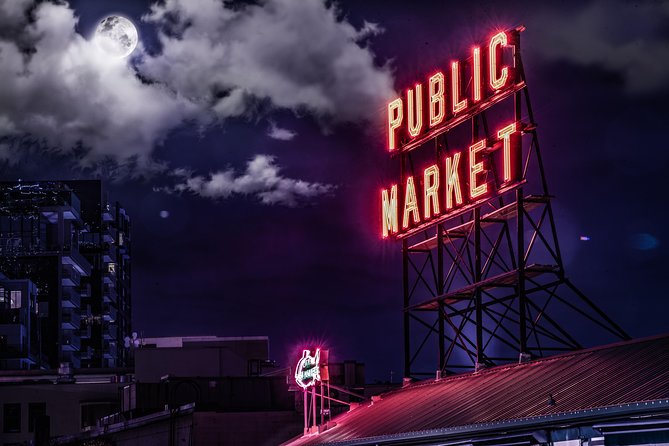
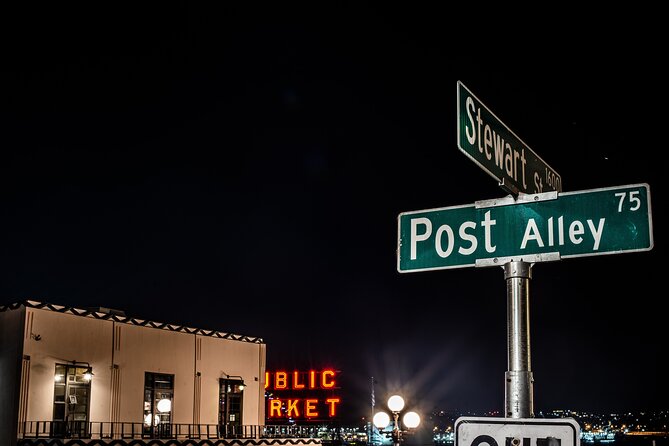
Next comes what the tour positions as the most haunted section in Seattle, centered on Haunted Pike Place and the shadowy figures tied to Pike Place and Post Alley. If you’ve walked around this neighborhood in daylight, this is the same geography—just with a different lens.
This is also where city sound becomes part of the challenge. Pike Place is active, people talk, and the streets can be echo-y at night. Some guides are excellent at projecting, but if you’re in a louder group moment, you may need to stay close and pay attention early so you don’t miss key story beats.
The upside: if you’re craving an “after dark” Market-area experience, this is one of the most practical ways to get it without renting a car or plotting a self-guided route.
Stop 3: Seattle’s booming economy—and the spirits that follow it
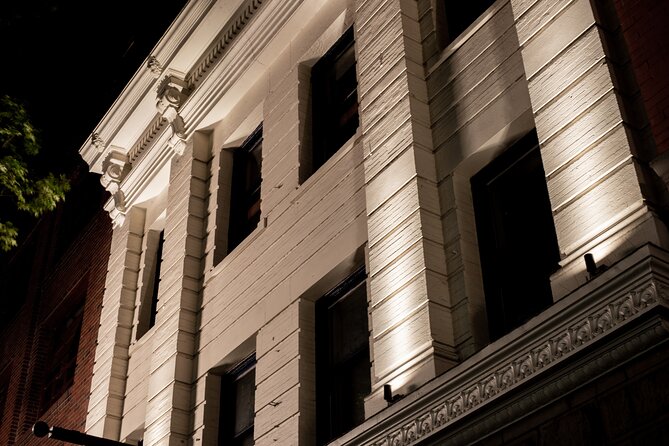
The tour then pivots to how Seattle’s economic boom shaped the city, and it ties that growth to why certain places became haunted in local accounts. It’s a smart turn, because it connects money, migration, construction, and the kinds of people who show up around opportunity.
What I like about this stop is that it’s not only spooky. It gives you a reason to care about the route—why those streets, businesses, and institutions mattered in the first place. If you’re the type of traveler who likes your ghosts with a side of history, this is where the tour earns its keep.
The potential drawback is pacing. When the group is larger, you can feel the tour “move forward” quickly. You’ll still get the story, but you may not get as much time to stand back and take in the surroundings before the guide calls the next location.
Stop 4: a mortuary built in 1903 with death as the purpose
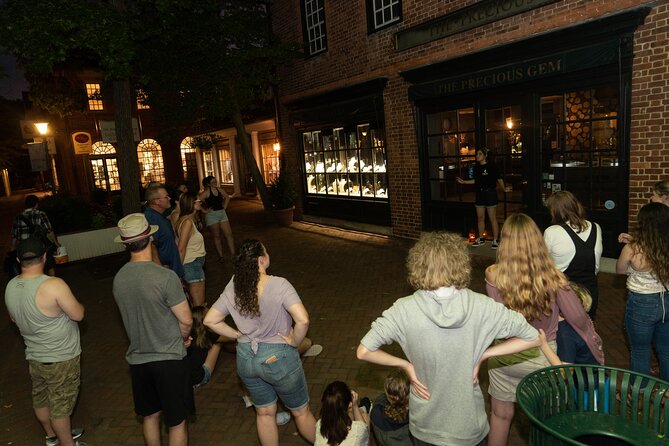
One stop is a standout location: a mortuary built in 1903, framed by the tour as a hotspot for death and dark secrets. If you’ve done other ghost walks, you know the genre often leans on vague dread. Here, the tour commits to a specific, historical structure and uses that anchor to keep the stories grounded.
This stop is likely the one people remember because it’s concrete. You’re not just hearing “something happened here.” You’re being pointed toward a building tied to the city’s mortality history, and that makes the stories feel more serious.
The tradeoff is that this part of the tour can feel heavy—by design. If you prefer your ghost stories more playful than grim, you may want to mentally pace yourself.
Stop 5: Seattle’s first cemetery and the building sitting above disturbed ground
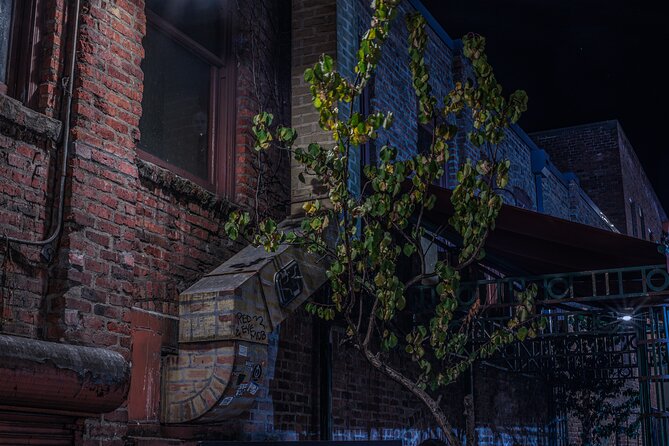
The last major stop goes to the site of Seattle’s first cemetery. The tour explains that a building sits atop this disturbed burial ground, and it focuses on hauntings and unexplained phenomenon tied to that tension between the living city and the older remains below.
This is the moment where the tour shifts from “spooky places” to “why places hold stories.” Even if you’re skeptical, the setting forces you to think about the layers of a city—what gets built over, what gets preserved, and what people claim they still feel at night.
One practical consideration: cemetery-adjacent areas can mean uneven ground and steps. If your feet get tired easily, bring your best walking shoes and plan to take it slow when the guide stops.
Guides make or break the experience (and the group stays moving)
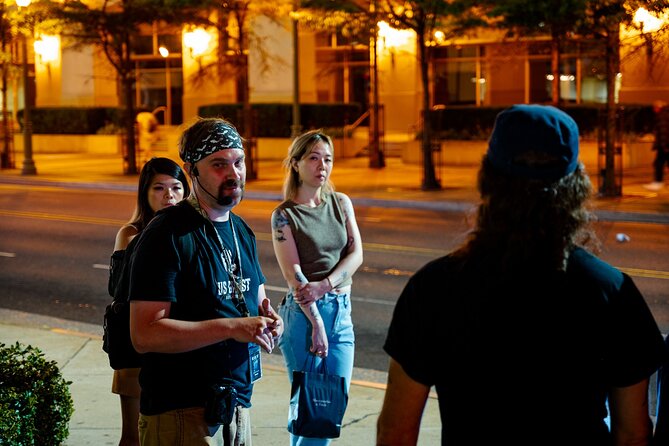
The tour runs with professional and courteous guides, and the name patterns you’ll see praised are real indicators of what you should look for on the night. People have highlighted guides such as Elliot, Amara, Mark, Michael F., Gavin, Zach, Rob, and Benji, often praising storytelling energy, humor, and keeping the group engaged.
That matters, because ghost tours depend on performance. A strong guide hits three things at once:
1) clear pacing so you can follow the story
2) enough presence to make the group listen
3) good timing through busy streets
When it works, you’ll get lively “theater” without turning the tour into random crime recitation. When it doesn’t, you may feel rushed or struggle to hear—especially if the guide speaks quickly or the route is crowded.
So how do you set yourself up for success? Stay alert at each stop. Don’t drift back for photos until the guide finishes the story. If you struggle with hearing in outdoor spaces, I’d recommend choosing seats/positions toward the front when the group stops.
Walking and weather: the practical Seattle reality
This is a walking experience, and Seattle’s terrain is never just flat and friendly. Expect steep parts, steps, and hills. Some people describe stairs in the Market area as significant, and you’ll also deal with uneven sidewalks at night.
Also, it’s downtown. That means you’ll be outside around real foot traffic. The good news: many people find this kind of tour a smart way to keep moving even when the weather turns, since it’s designed as a night activity that stays scheduled and doesn’t rely on a single indoor venue.
What to wear is straightforward:
- comfortable walking shoes you trust on steps
- a light layer for cool evening air
- water, especially if it’s a long day for you already
If you have mobility limits or you’re worried about lots of stairs and inclines, this is the main thing to weigh carefully.
Price and value: is $32 for one hour worth it?
At $32 per person, you’re paying for a guided, researched downtown route with multiple themed stops: 1850s origin stories, Pike Place/Post Alley hauntings, a Seattle economy angle, and two heavier “place-based” sites (the 1903 mortuary and the first cemetery area).
For me, the value hinges on whether you’re the kind of person who enjoys being walked through a story. If you like history, atmosphere, and a guide’s voice, the price feels reasonable for an organized night walk.
If you’re mostly chasing scares with minimal explanation, you might wish it were longer or less story-forward. Some people have also felt the tour can feel quick if the group is large or the pace feels rushed in the Market corridor. Still, even at a short duration, the stop variety is what prevents it from feeling one-note.
Who should book this Seattle Ghost Tour?
Book this if you want:
- a downtown Seattle ghost walk focused on the city’s darker side
- stories that connect haunting claims to specific historic places
- a night activity that doesn’t require a car or long planning
It’s especially good for date night. The route gives you a reason to talk during and after, and the Market-area stops make it easy to pair with dinner later. People who are new to Seattle often enjoy it too, because the guide’s setup helps you understand why the city looks the way it does now.
Skip it (or rethink) if you:
- strongly dislike walking hills and stairs
- need super clear audio and you’re often far from the guide
- prefer very long tours with lots of quiet time at each stop
Should you book Sinister Sins, Scandal, and Shadows?
Yes, I’d book it if you’re aiming for a focused, researched Seattle ghost tour that takes you through Pike Place and beyond in about an hour. The best-case version sounds like a fun history night with real characters, a strong guide, and enough haunting detail to make the city feel different after dark.
But choose your expectations wisely. This is not a slow, museum-style experience. It’s an active walking route where hearing the story depends on where you stand and how the guide paces the group.
FAQ
How long is the Sinister Sins, Scandal, and Shadows: Seattle Ghost Tour?
It runs for about 1 hour.
How much does the Seattle Ghost Tour cost?
The price is $32.00 per person.
Where do I meet, and does the tour end nearby?
You start at Four Seasons Hotel Seattle, 99 Union St, Seattle, WA 98101, and the tour ends back at the meeting point.
Is the tour in English?
Yes, the tour is offered in English.
How big is the group?
This tour has a maximum of 35 travelers.
Do I need to be physically fit for this tour?
You should have a moderate physical fitness level, since it’s a walking experience with hills and stairs.
Are service animals allowed?
Yes, service animals are allowed.
Is food or motorized transportation included?
No. Food and drink and motorized transportation are not included.
Can I get a refund if I cancel?
Yes. You can cancel for a full refund up to 24 hours before the experience start time.