Salem can feel like a theme park. This tour treats it like a real town with real consequences. You’ll walk through places tied to the Witch Trials, plus the stories that fed the fear.
I especially like the small group size (max 20) and the fact that your guide is thoroughly researched. I also like how the tour mixes big-picture history with specific names, streets, and buildings, so it feels anchored instead of vague.
One thing to consider: the themes are dark, and you’ll be walking for about two hours with moderate physical effort. If you want light and fluffy ghost fun only, this may feel more like a historical reckoning than a scare show.
In This Review
- Key highlights you’ll care about
- Why this Salem walk stays manageable (and actually personal)
- Price and what $32 buys you in real time
- Meeting at 210 Essex St and ending at the Hawthorne Hotel
- Stop 1: Salem’s oldest original municipal building (1816) and early-town power
- Stop 2: the Witch Trials overview museum and the machinery of mass hysteria
- Stop 3: Judge Jonathan Corwin’s surviving house and the cost of authority
- Stop 4: the post-founder-era home of Loyalist Judge Nathanial Ropes
- Stop 5: Salem Athenaeum and Hawthorne’s head-of-library chapter
- Stop 6: George Corwin’s plot, and why the sheriff connection matters
- Stop 7: the 1637 cemetery, Giles Corey’s second wife, and Corwin ghost lore
- Stop 8: a later house with secrets and scandal (not tied to the trials)
- Stop 9: Salem Town versus Salem Village, and why rivalry fuels fear
- Stop 10: Hawthorne’s namesake house and the Bewitched filming tie-in
- What this tour is best for (and who should skip it)
- Should you book the Secrets of Salem Hidden Dark History Tour?
- FAQ
- How long is the tour?
- How much does the Secrets of Salem Hidden Dark History Tour cost?
- What’s included, and is transportation provided?
- Where do I meet, and where does the tour end?
- Is the tour in English, and will I get a mobile ticket?
- What should I know about group size and cancellation?
Key highlights you’ll care about
- Max 20 people, so you’re not stuck shouting over a busload
- Witch Trials of 1692 context plus the people behind the accusations
- Direct ties to Judge Jonathan Corwin through a surviving house
- A Loyalist subplot tied to Judge Nathanial Ropes and local backlash
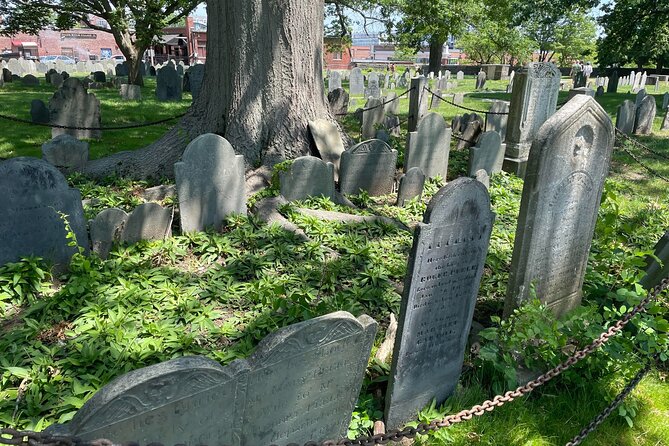
- Cemetery stories at a 1637 burial ground, where folklore does its thing
- Salem Town vs Salem Village rivalry, which helps explain how hysteria spreads
Why this Salem walk stays manageable (and actually personal)
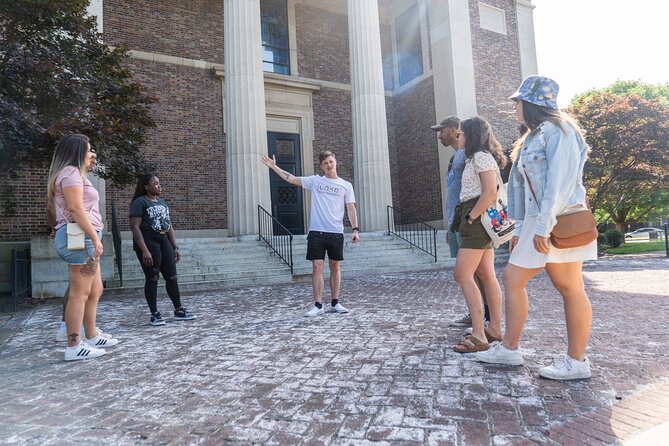
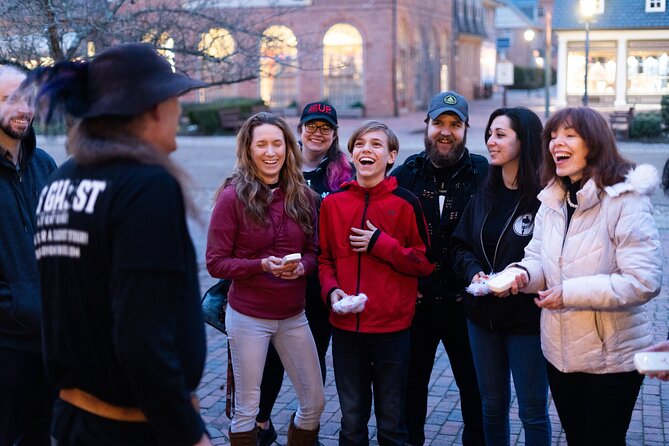
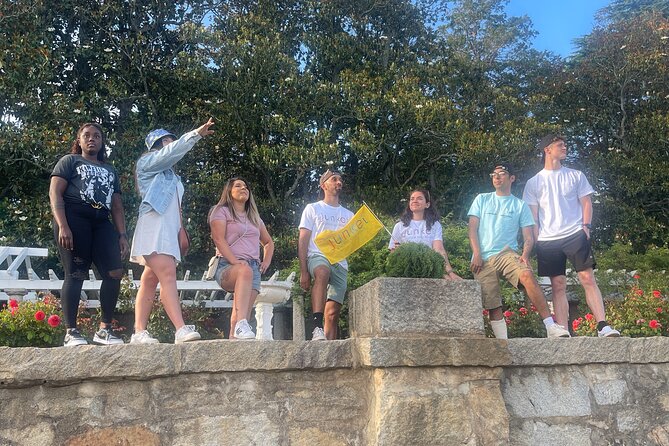
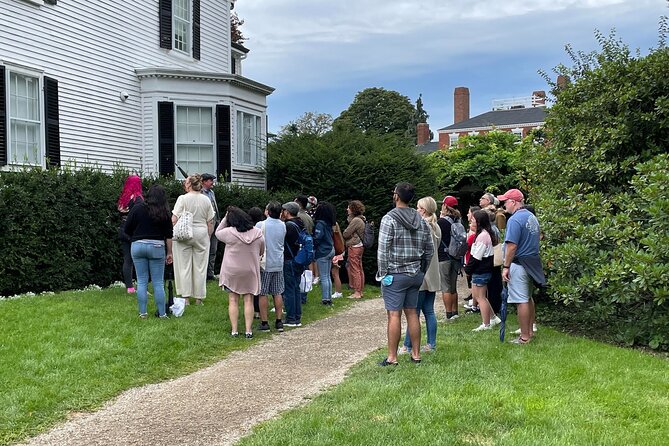
This is a downtown walking tour built for small groups. With a maximum of 20 travelers, you get time to hear the details, ask questions, and keep the story straight without competing with ten other groups doing the same photos.
I also like that guides on this tour earn their praise for more than reading facts from a page. People describe guides such as Mason, Danielle, John, and Sam as engaging, funny, and driven by local connection. One common thread: they add little personal touches that make Salem feel lived-in, not just staged for tourists.
And the tone matters. You’re not just chasing spooky vibes. You’re learning how a community got pulled into fear, then watching how the fallout and reputations carried on long after the trials.
You can also read our reviews of more tours and experiences in Salem.


Price and what $32 buys you in real time
The price is $32 per person for about 2 hours. For Salem, that’s a fair deal when the tour is built around multiple historically significant stops instead of one museum and a long stroll.
Also worth noting: transportation is not included. That means you should plan to get yourself to the meeting point and then walk with the group. The good news is the tour is near public transportation and the route is designed for moderate physical fitness.
If you’re short on time in Salem, this is a solid way to see a lot of key sites in one go—especially if you want the Witch Trials covered with context rather than one scary story stacked on another.
Meeting at 210 Essex St and ending at the Hawthorne Hotel
You start at 210 Essex St, Salem, MA 01970. You end at the historic Hawthorne Hotel, 18 Washington Square W, Salem, MA 01970—a convenient finish if you want to grab food or keep exploring on your own.
You’ll also have a mobile ticket, and the tour is offered in English. Confirmation is received within 48 hours of booking, subject to availability, so I’d treat that as your signal to lock in the day and line up your other plans around it.
The tour says it welcomes service animals, and it’s near public transportation. If you’re planning to combine this with other Salem stops, I’d aim to schedule buffer time near the start and the end, since Salem streets can slow things down.
Stop 1: Salem’s oldest original municipal building (1816) and early-town power
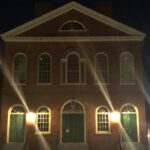
The first stop centers on an 1816 municipal building, Salem’s oldest original municipal building. It’s now available for functions, which means you’re looking at a place that has stayed part of town life rather than becoming a frozen exhibit.
Why this matters on a dark-history tour: municipal buildings are where rules get made, disputes get processed, and authority gets formalized. Even before the Witch Trials, that machinery of government and community pressure is what turns rumors into decisions.
You’ll get early context for Salem’s earliest years here, and that context helps later stops land harder. When you understand how Salem organized itself, the trials stop feeling like a weird one-off tragedy and start feeling like a predictable outcome of fear plus power.
Stop 2: the Witch Trials overview museum and the machinery of mass hysteria
Next is a museum with a strong overview of the Witch Trials of 1692. The framing is clear: the trials are one of the best examples in the United States of how mass hysteria can take over.
What I like about this style of start is that it gives you a baseline. You’ll hear the key facts and learn what the trials were, not just the spooky headlines. That makes the later stops—especially the homes connected to judges—feel less like ghost-tour theater and more like history with names attached.
A practical note: museum stops often mean you’ll be in a tighter space or focused on exhibits. If you prefer a lot of roaming outside, you might still enjoy the overall flow because the rest of the route brings you back to street-level storytelling.

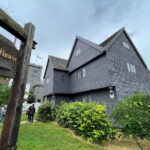
Stop 3: Judge Jonathan Corwin’s surviving house and the cost of authority
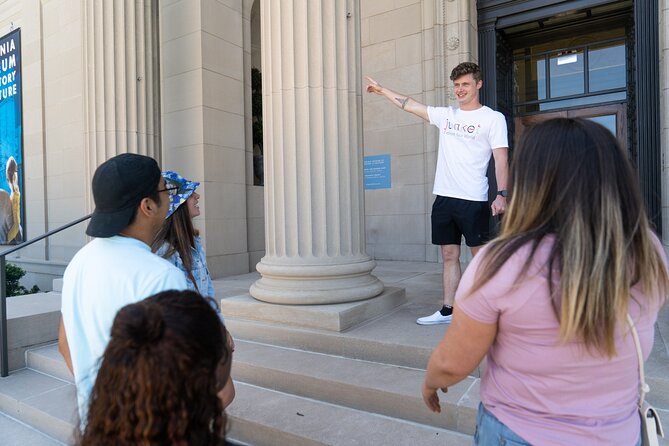
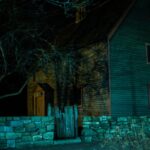
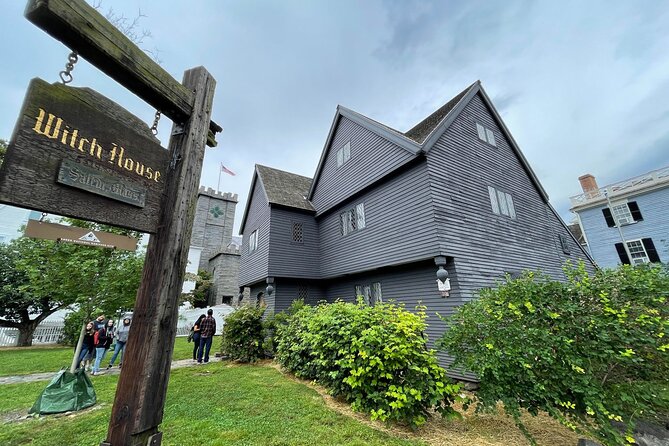
This stop takes you to a house dating back to the time of the witch trials. It’s described as the only one still standing in Salem with direct ties to the trials.
The big name here is Judge Jonathan Corwin, who lived in the house. The tour uses that direct connection to talk about miscarriages of justice—not just that the trials happened, but how decisions were made and how accused people lost in a system that was already tilted.
The effect is simple: you’re standing (or at least viewing) a structure that lets the story feel real. When you hear how the court operated through specific individuals, the history becomes personal and uncomfortable in the right way.
Stop 4: the post-founder-era home of Loyalist Judge Nathanial Ropes
Built a century after Salem’s founding—around 30 years after the witch trials—this house is tied to Judge Nathanial Ropes.
Here’s the twist that makes the tour more than a one-topic hit: Ropes is described as a staunch British Loyalist, and near the end of his life he faced backlash from his town. That sets up a contrast. The trials may be over, but conflict and public opinion still shape lives.
On a dark-history tour, I love when the narrative shows consequences beyond the main event. This stop does that by showing Salem is still a place where politics can turn neighbors into enemies.
Stop 5: Salem Athenaeum and Hawthorne’s head-of-library chapter
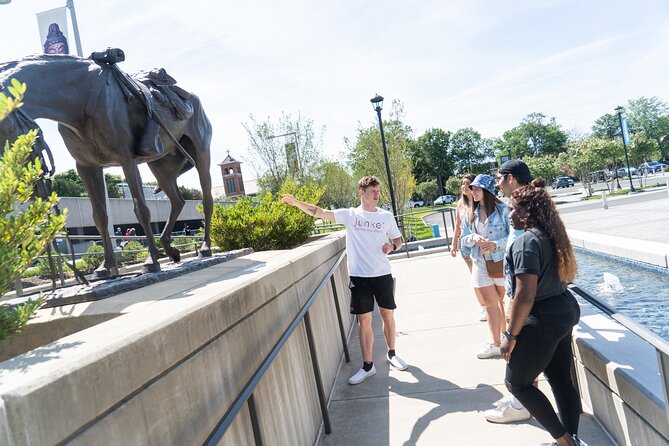
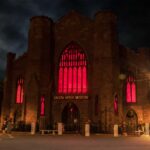
Now you shift toward culture and ideas. The tour highlights a link to Nathaniel Hawthorne, the author of The Scarlet Letter.
He was once head of the prestigious Salem Athenaeum in the 1800s, when the society’s libraries were combined. That’s a great palate cleanser after heavy content, but it’s not random. Intellectual institutions shape what communities preserve, teach, and romanticize later.
It also adds a Salem signature: the town is famous for witch stories, but it also produced major literary voices. You get both threads—fear and interpretation—so the tour doesn’t feel one-note.
Stop 6: George Corwin’s plot, and why the sheriff connection matters
This stop zooms in on the plot of land where the home was constructed, which once belonged to George Corwin.
If the name feels familiar, that’s because George Corwin is described as the nephew of Judge Jonathan Corwin. George was also sheriff of Salem during the witch trials, and the tour notes he was said to be overly cruel toward those accused and convicted.
This is where the “dark history” label turns from vibe into structure. You’re seeing how one powerful family network connects to roles in law and enforcement. The story becomes less like random tragedy and more like a web—who had influence, who enforced it, and who suffered because of it.
Stop 7: the 1637 cemetery, Giles Corey’s second wife, and Corwin ghost lore
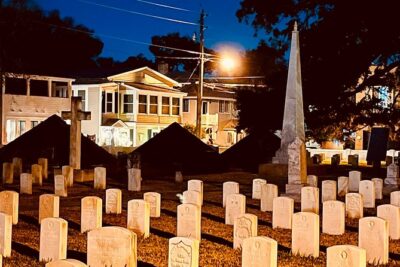
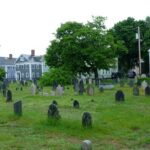
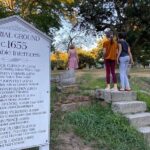
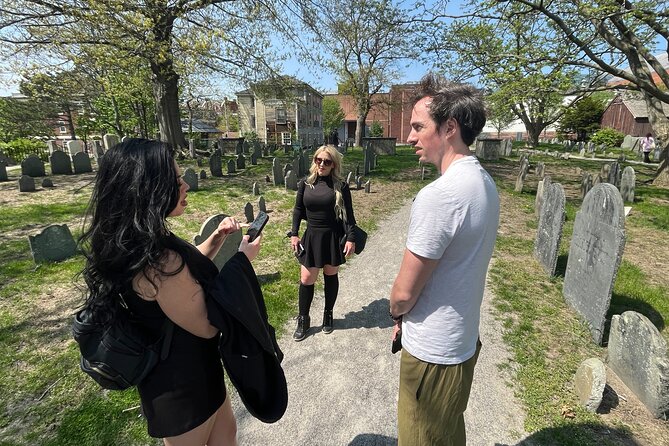
Then you reach one of America’s oldest cemeteries: established in 1637. This stop is about memory—who is buried here and how stories cling to places.
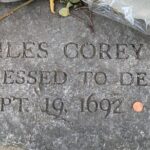
The tour points out that the cemetery includes the second wife of Giles Corey and Judge Jonathan Corey. It also brings in folklore, including stories of people reportedly seeing the ghost of Judge Corwin wandering among the graves.
I treat this part as a mix of history and legend, which is exactly what Salem does well. You get the human weight of the names in the ground, then you get the local ghost storytelling that tries to explain what people couldn’t accept while alive.
It’s also a useful reminder: the witch trials didn’t end at the courthouse. Their shockwaves lasted in reputation, guilt, and rumor.
Stop 8: a later house with secrets and scandal (not tied to the trials)
The tour then visits another home, described as constructed over a century after the witch trials and not linked to them. That might sound like a detour, but it actually keeps the broader Salem theme alive: secrets and social conflict never really disappear.
You’ll hear about the scandal around this place and how Salem’s drama kept evolving over time. If you only wanted the Witch Trials, this stop could feel like a right turn. If you like Salem as a living story where different eras have different scandals, it works.
The key is to expect plot twists that aren’t all supernatural. The tour’s dark tone comes from real people making real messes.
Stop 9: Salem Town versus Salem Village, and why rivalry fuels fear
Next comes an explanation that’s built to connect the dots: the rivalry between Salem Town and Salem Village.
The tour frames this rivalry as a possible foundation for the hysteria that fueled the witch trials. It’s a smart move because it shifts your understanding from isolated accusations to community tension. When groups within a place distrust each other, rumors travel faster—and skepticism gets punished.
This is the part of the walk where it starts to feel like a story you can explain to someone later. You leave with a cause-and-effect framework, not just a list of scary locations.
Stop 10: Hawthorne’s namesake house and the Bewitched filming tie-in
Finally, you reach the home named for Nathaniel Hawthorne, where an episode of the TV series Bewitched was filmed in the 1970s.
This stop is playful in a purposeful way. Salem has always been a magnet for storytelling, and modern pop culture quietly tells you how the town became “witchy” in the public imagination long after 1692.
I like ending here because it reminds you that Salem’s fear stories also became entertainment. You can view it with an extra layer of understanding, knowing what’s real, what’s legend, and what’s later interpretation.
What this tour is best for (and who should skip it)
This tour is best for you if you want Salem’s witch history with context, and you like learning through real sites tied to specific people. It also fits well if you’re traveling with mixed ages, since the pacing is built for a group walk and the tone includes spooky stories without turning into a pure jump-scare act.
It may not be ideal if you mainly want paranormal investigation. This is history-first, with eerie lore woven in. You’ll get the dark side, but you won’t get a séance-style performance.
Also, plan on walking. It’s moderate fitness, and the tour runs about two hours. Bring layers and comfortable shoes, and you’ll be fine.
Should you book the Secrets of Salem Hidden Dark History Tour?
If you’re wondering whether it’s worth it, I’d say yes if you want a focused, history-grounded Salem experience that doesn’t balloon into a giant crowd. The small group cap of 20, the guide-led storytelling, and the presence of specific connections—like Judge Jonathan Corwin’s house and the 1637 cemetery—make the tour feel purposeful.
Book it sooner rather than later. It’s commonly reserved about 29 days in advance, and with a small group size, popular time slots can fill.
Skip it if you want transportation handled for you or you only want light entertainment. This tour is aimed at people who like Salem for what it is: a place where fear, politics, and memory left fingerprints all over the streets.
FAQ
How long is the tour?
The tour runs for about 2 hours.
How much does the Secrets of Salem Hidden Dark History Tour cost?
It costs $32.00 per person.
What’s included, and is transportation provided?
The tour includes a professional, courteous guide and thoroughly researched, accurate history. Transportation is not included.
Where do I meet, and where does the tour end?
Meet at 210 Essex St, Salem, MA 01970. The tour ends at the Hawthorne Hotel, 18 Washington Square W, Salem, MA 01970.
Is the tour in English, and will I get a mobile ticket?
Yes, it’s offered in English, and you’ll receive a mobile ticket. You’ll receive confirmation within 48 hours of booking, subject to availability.
What should I know about group size and cancellation?
The tour has a maximum of 20 travelers, and it notes moderate physical fitness is recommended. Service animals are allowed, and the tour is near public transportation. Cancellation is free up to 24 hours in advance for a full refund; within 24 hours, there is no refund.