REVIEW · ROME
Haunted Rome Ghost Night Walking Tour
Book on Viator →Operated by Carpe Diem Tours · Bookable on Viator
Rome feels different after dark. I like that this Haunted Rome Ghost Night Walking Tour keeps you moving through real corners of the city while telling sinister stories tied to places you’d usually rush past in daylight. In about 2 hours, you go from Campo de’ Fiori’s square life to the Castel Sant’Angelo finish, all while the city looks and sounds totally new.
Two things I really like: first, the guiding style. In the strongest versions of this tour, guides such as Youssef, Antonio, and Ana are praised for energetic storytelling that stays fun and entertaining without turning into cheap theatrics. Second, the route is packed with specific landmarks and street details—things like the madonelles along the way, and the darker backstories tied to bridges, churches, and old buildings.
One possible drawback: this is a group walk at night, and Rome street noise is real. One review specifically flagged that it can be hard to hear the guide when the group is louder and traffic is nearby, so keep your ear open and don’t be afraid to ask for repeats.
In This Review
- Key highlights worth your attention
- Why this 2-hour night route works so well in Rome
- Start at Campo de’ Fiori: the square sets the tone fast
- Piazza Farnese: popes, rumors, and a secret-passage kind of vibe
- Via del Mascherone and Vicolo dei Venti: the “little madonnas” stop crime talk
- Ponte Sisto: Rome’s oldest bridge has a darker scoreboard
- Fontana del Mascherone: a fountain with a warning attached
- Chiesa di Santa Maria dell’Orazione e morte: when art uses human remains
- Via di Monserrato: from grim past to “haunted apartment block”
- Chiesa di Santa Maria in Monserrato degli Spagnoli: a scandalous Spanish church story
- Via Giulia: where beauty shop history turns into “cosmetics can kill”
- Via dell’Arco dei Banchi: Mastro Titta and the executioner’s address
- Castel Sant’Angelo: your finale with the Cenci family angle
- Price and logistics: does $35.07 feel worth it?
- Make it easy to hear: your comfort checklist for a night walk
- Who this tour fits best (and who might want to skip)
- Should you book this Haunted Rome night walk?
- FAQ
- How long is the Haunted Rome Ghost Night Walking Tour?
- How much does the tour cost?
- Where do I meet the group?
- Where does the tour end?
- Is the tour offered in English?
- What’s the maximum group size?
- What is the cancellation policy?
Key highlights worth your attention
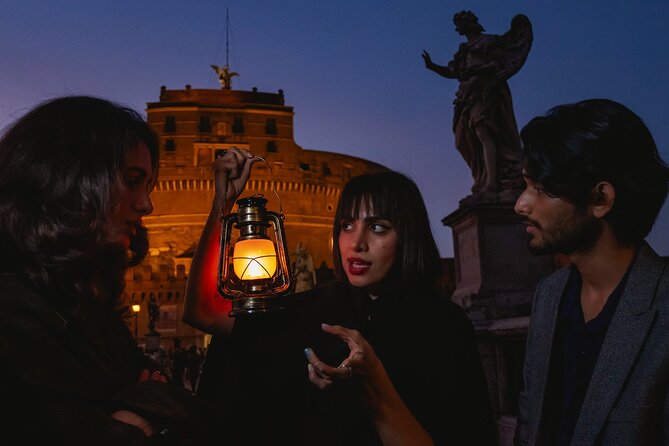
- A night route that avoids daytime heat and crowds while still hitting major landmarks
- Spooky tone grounded in darker local history, not full-on ghost theatrics
- Real stops you can point to later: Campo de’ Fiori, Piazza Farnese, Ponte Sisto, Via Giulia, Castel Sant’Angelo
- Guides with humor and momentum (names like Youssef, Antonio, and Ana come up often)
- No entry-ticket hurdles at each stop listed as free, so the pace stays smooth
- Finishes by Castel Sant’Angelo, so you can keep your evening rolling nearby
Why this 2-hour night route works so well in Rome
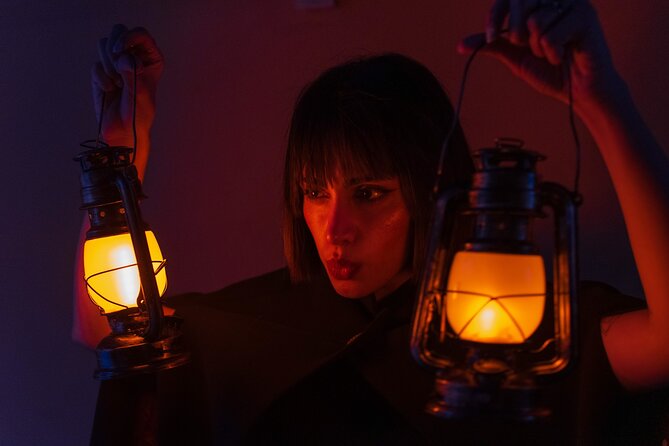
Rome after sunset isn’t just cooler—it feels more readable. With fewer daylight distractions, the city’s textures pop: stone edges, narrow lanes, and the way the Tiber area glows at night. This tour is designed around that timing, so you spend your energy where it pays off, not in midday slog.
The format also respects your time. You’re looking at roughly 2 hours, and the walk is staged with short stops—think quick story beats and brief “look right here” moments—rather than long museum-style pacing. If you only have a limited window in Rome, this is one of the easier ways to add a memorable layer without sacrificing dinner plans.
You can also read our reviews of more tours and experiences in Rome.



Start at Campo de’ Fiori: the square sets the tone fast
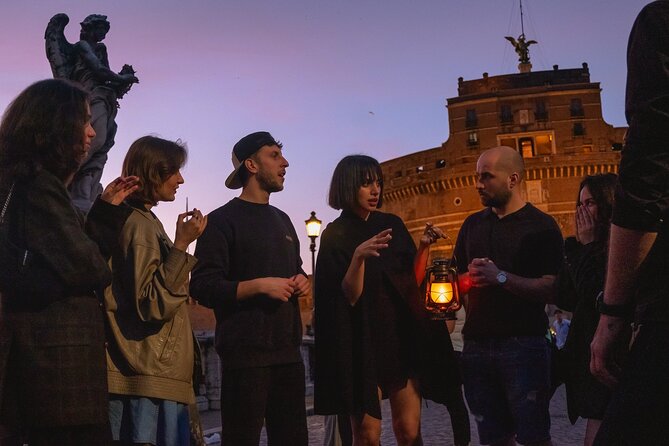
You begin at Piazza Campo de’ Fiori, one of Rome’s most recognizable squares. During the day it’s known for bars and restaurants, but the story you hear frames it as a much harsher stage from the past—turning a lively meeting point into something sharper and more unsettling.
This first stop matters because it changes how you read everything else that follows. Once you’ve heard the darker angle tied to where people gather, you start spotting details in adjacent streets instead of just passing them. It’s also a convenient launch point since it’s a clear, central landmark for a night walk.
Piazza Farnese: popes, rumors, and a secret-passage kind of vibe
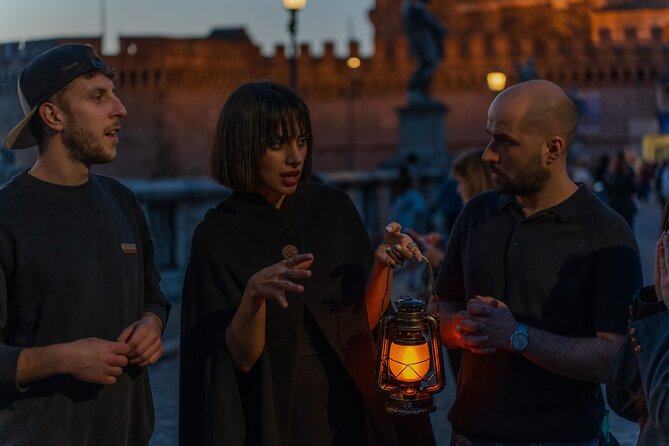
Next you move to Piazza Farnese, a gorgeous square that also comes with a scandalous legend. The emphasis here is the idea of hidden connections—how stories swirl around power, secrecy, and the kind of tunnels and shortcuts people swear exist.
Even if you’re not the type who loves legends, the payoff is in how it makes the architecture feel loaded. Squares like this look calm and elegant at first glance; the tour turns them into places where something could have happened behind the scenes.
Via del Mascherone and Vicolo dei Venti: the “little madonnas” stop crime talk
This stretch is where the tour gets street-level. Along Via del Mascherone and Vicolo dei Venti, you’ll encounter madonelles—small Madonna figures set into the urban landscape. The guided explanation focuses on how they were used as a kind of neighborhood protection, tied to the fear of crime and the hope that a sacred presence could help.
I like this stop because it’s not just spooky—it’s practical. You get a concrete way to understand how ordinary people marked public space. And in a narrow lane, those small religious details can be surprisingly hard to notice on your own, which is exactly why a guide helps here.
Ponte Sisto: Rome’s oldest bridge has a darker scoreboard
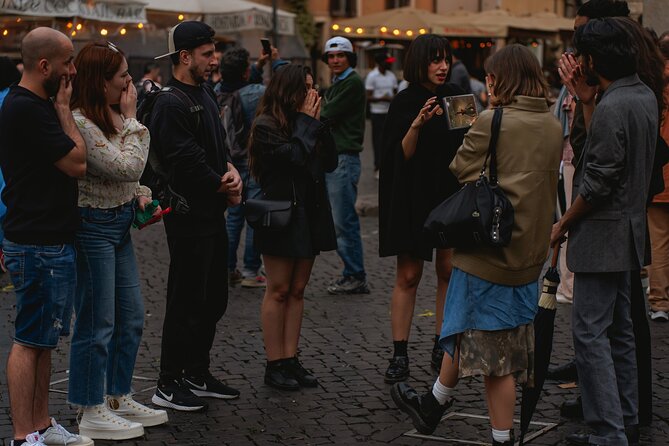
You then reach Ponte Sisto, described as the oldest bridge in Rome. The stories move through grim territory: tragic accidents, power struggles, theft, and suspicious deaths. It’s the kind of history that makes a bridge feel less like a “shortcut” and more like a witness.
Bridges are great for night tours because you naturally pause. Even if you’re just standing for a few minutes, you can look out and feel the shift from street noise to open river air. That pause is also where the most dramatic stories land.


Fontana del Mascherone: a fountain with a warning attached
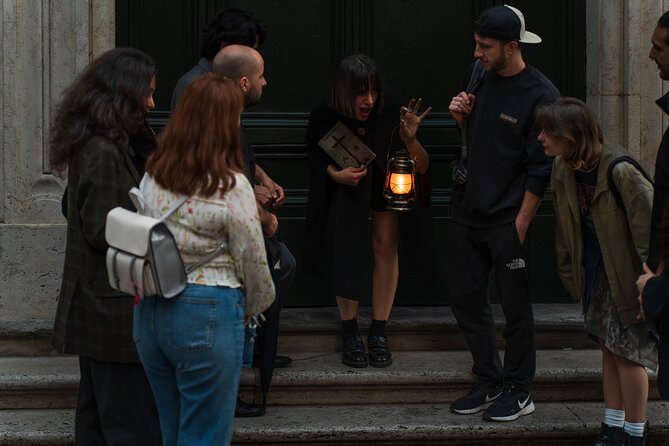
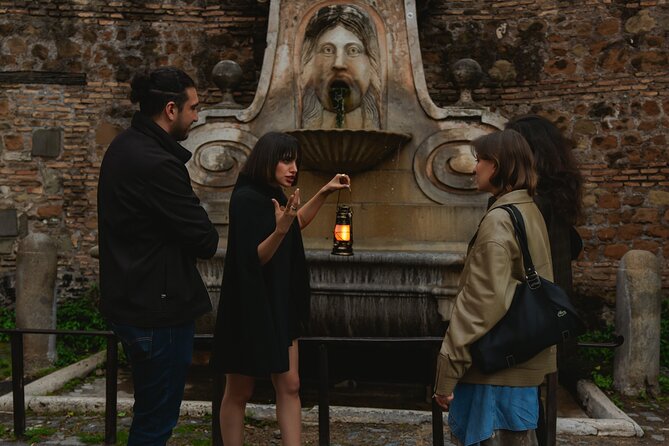
At Fontana del Mascherone, the tour points out a difference from other Roman fountains: this one carries a warning directed at anyone who dares to drink. It’s one of those details that sounds almost like a dare, which makes it memorable even if you’re not the “ghost” type.
This is also a good moment to slow down and take in the shape of the area. Roman fountains aren’t all built for the same purpose, and hearing how this one is framed changes how you read it as a visitor.
Chiesa di Santa Maria dell’Orazione e morte: when art uses human remains
This stop gets intense: Chiesa di Santa Maria dell’Orazione e morte is a 17th-century church decorated with human remains. The story you’ll hear makes the point that death is close by—right there in the visual language of the place.
You don’t need to be squeamish for this to be worthwhile. What matters is the context: Rome’s religious art has long used stark reminders to shape how people think about suffering, mortality, and forgiveness. If you prefer gentler spooky themes, this is the section where you’ll feel the contrast most strongly.
Via di Monserrato: from grim past to “haunted apartment block”
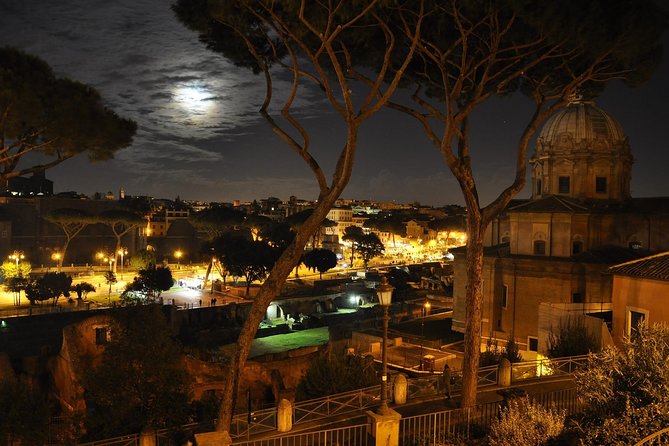
Then the tour shifts to Via di Monserrato, described as a haunted apartment block tied to one of the worst prisons in Rome’s history. The way this is framed helps you connect past punishment to present-day streets—how the buildings you pass today can hold older roles.
If you like your horror grounded in real places rather than fantasy, this part is a strong fit. It doesn’t rely on special effects; it leans on the uneasy thought that something terrible happened just out of sight of daily routines.
Chiesa di Santa Maria in Monserrato degli Spagnoli: a scandalous Spanish church story
You head to the Chiesa di Santa Maria in Monserrato degli Spagnoli, a Spanish church in the middle of the city. The tour characterizes the story here as saucy—almost like a telenovela—so expect a different flavor than the prison stop.
This is a nice pacing reset. You go from grim confinement to a more human, gossip-like storyline. It keeps the tour from feeling uniformly dark and gives you a chance to laugh a little while your brain keeps absorbing the bigger theme: Rome’s history has always been dramatic.
Via Giulia: where beauty shop history turns into “cosmetics can kill”
On Via Giulia, the tour’s angle gets especially interesting: it’s described as a former bar that had an even earlier history as a beauty shop. The story tied to this place focuses on how cosmetics can kill—an odd-sounding theme that becomes plausible once you hear the reasoning behind it.
I love this kind of stop because it’s not the standard “Romans did war” narrative. It brings everyday life—appearance, product use, status—into the shadowy side of history. If you’ve ever wondered why people were so desperate to control image back then, this is the right lane.
Via dell’Arco dei Banchi: Mastro Titta and the executioner’s address
Next is Via dell’Arco dei Banchi, where the tour highlights a connection to Rome’s famous executioner, Mastro Titta. The point isn’t gore—it’s the way a reputation can haunt an address. After hearing that name linked to a doorway and a corner, the street feels loaded.
This segment also works well for photos. In the right lighting, the archways and the narrow streets give you that “how is this still standing?” feeling. Just remember to keep moving when your guide calls the next stop.
Castel Sant’Angelo: your finale with the Cenci family angle
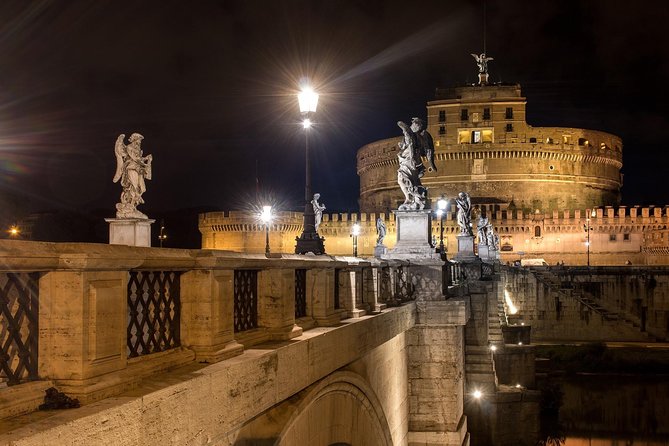
You end at Castel Sant’Angelo, where the stories turn from “local corners” to a bigger, more theatrical stage. The tour explains how this structure and the bridge area were used to expose the bodies of executed people as warnings. You’ll also hear about the Cenci family and how they met their fatal end.
This ending is one reason the tour is such good value. You finish at a major site you can keep exploring on your own afterward, or simply enjoy the riverfront atmosphere while your brain is still buzzing from the stories. If you’re trying to plan a first night in Rome, this gives you a satisfying capstone.
Price and logistics: does $35.07 feel worth it?
At $35.07 per person for about 2 hours, this tour is priced like a strong add-on rather than a budget-buster. The best value comes from what’s included in the experience: a guided night walk that connects multiple landmarks with explanations you can’t easily “DIY” in passing.
Another detail that helps the pace: each listed stop shows admission ticket free. That means the tour can keep rolling without waiting around for entrances, lines, or tickets at every location. The group size is also capped at 20, which is big enough to build energy but small enough that you can usually see your guide and follow the route.
English is offered, and you’ll receive a mobile ticket. Since it’s near public transportation, you’re not trapped if you arrive late or want to reconnect to the metro after.
One small timing note: this tour is commonly booked about 27 days in advance. If your dates are fixed, I’d treat it like a popular “first-night” plan and reserve it early.
Make it easy to hear: your comfort checklist for a night walk
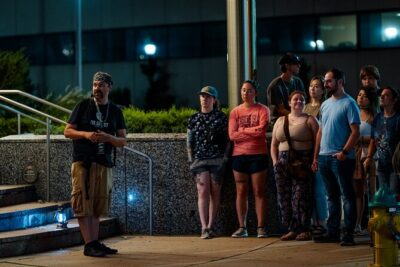
Night walking tours can be wonderful—or frustrating—depending on sound and comfort. One review flagged that the guide can be hard to hear when road noise and other people’s voices overlap, so plan for that.
Here’s how to make it work for you:
- Wear comfortable shoes with traction. Rome’s stones don’t care that it’s dark.
- Dress for the season. If it’s chilly, bring a layer; cold months make the walk longer in how it feels.
- Keep your group position in mind. If you can, stand where you’re not blocked by taller people and where the guide’s voice travels toward you.
- If you use them, consider bringing headphones or anything that helps you focus (the tour doesn’t list audio devices, so you’ll want a simple personal solution).
Also: this is a “spooky but historical” style tour. If you’re expecting ghosts floating dramatically from the shadows, you might feel the tone is more story-driven than cinematic.
Who this tour fits best (and who might want to skip)
This works especially well if you like:
- History with edge, told through specific addresses and landmarks
- A night walk that feels different from a daytime sightseeing route
- Stories that are creepy in theme, but often grounded in real human events
It also seems family-friendly in practice. Kids and teens can handle it because the tone is described as spooky and historical rather than full-on horror scenes. If you’re traveling with teenagers, this is a way to get them out at night without turning it into a long lecture.
If you hate crowded group dynamics or you strongly need clear audio in noisy settings, you’ll want to adjust your expectations. The one real caution is hearing the guide over street noise.
Should you book this Haunted Rome night walk?
If you want a smart first-night activity, I’d book it. You get a compact 2-hour route through famous and lesser-noticed corners, with darker stories attached to places you’ll remember: Campo de’ Fiori, Ponte Sisto, Via Giulia, and the big finale at Castel Sant’Angelo.
I especially think it’s worth it when you enjoy guided storytelling more than museum stops. The best outcome is when your guide brings energy—people specifically praise guides like Ana and Youssef for keeping the mood entertaining while staying grounded in the facts behind the legends.
Skip it only if you’re looking for traditional ghost hunts or heavy special effects. This is a city-story tour. The fear comes from what happened, not from what’s staged.
FAQ
How long is the Haunted Rome Ghost Night Walking Tour?
It runs for about 2 hours.
How much does the tour cost?
The price is $35.07 per person.
Where do I meet the group?
The meeting point is Piazza Campo de’ Fiori, Roma.
Where does the tour end?
The tour ends at Castel Sant’Angelo, Lungotevere Castello, 50, Roma.
Is the tour offered in English?
Yes, it is offered in English.
What’s the maximum group size?
The tour has a maximum of 20 travelers.
What is the cancellation policy?
You can cancel for free up to 24 hours in advance for a full refund. If you cancel less than 24 hours before the start time, you won’t get a refund.