REVIEW · TOKYO
Tokyo’s Scariest Shitamachi Ghost Tour
Book on Viator →Operated by Tokiotours · Bookable on Viator
Tokyo gets spooky in the most ordinary streets. This small-group Shitamachi walk mixes shrine drama, grim local legends, and the after-dark feeling of Asakusa, with one snack to keep you going. I also like how the tour is built around actual places—Otemachi, Minamisenju, and the Sensoji area—so the stories have weight, not just theater.
Big heads-up: this is walking-focused, and the balance between supernatural scares and historical/folk context can vary by guide and by the night’s pacing. Also plan for transit fees by bringing cash, since the tour price does not cover public transportation.
In This Review
- Tokyo’s Scariest Shitamachi Ghost Tour in One Glance
- Entering Shitamachi after Dark: What You’re Actually Buying
- Meeting at Tokyo Station and Getting Ready for a Night Walk
- Stop 1: Otemachi Shrine and the Vengeful-Spirit Warning
- Stop 2: Minamisenju’s Two Worship Stops and Tragic Stories
- Stop 3: Asakusa’s Sensoji Area, Old Hag’s Pond, and Night Streets
- How Scary Is It, Really? Ghosts vs Grim History
- Snacks and Pacing: What 3 Hours Feels Like on Foot
- Price and Value: Is $114.95 Worth It?
- Who Should Book This Tour, and Who Should Skip It
- Should You Book Tokyo’s Shitamachi Ghost Tour?
- FAQ
- How long is the Tokyo’s Scariest Shitamachi Ghost Tour?
- Where does the tour start and end?
- What time does the tour begin?
- Is anything included in the price?
- What extra costs should I expect?
- Is this tour family-friendly?
- How big is the group?
- Is the tour refundable if I cancel?
Tokyo’s Scariest Shitamachi Ghost Tour in One Glance
- Max 8 people keeps it personal, with time for questions and back-and-forth conversation.
- 6:00 pm start means you catch Tokyo as dinner crowds thin out and side streets feel more mysterious.
- Otemachi, Minamisenju, Asakusa give you three different neighborhood flavors instead of one repeat circuit.
- Snack included (one local snack) to tide you over during evening hours.
- Free admission at stops plus a guide-led route through shrine and temple areas.
- Cash for transit (about 400 yen) is on you, so don’t plan to rely only on card.
Entering Shitamachi after Dark: What You’re Actually Buying
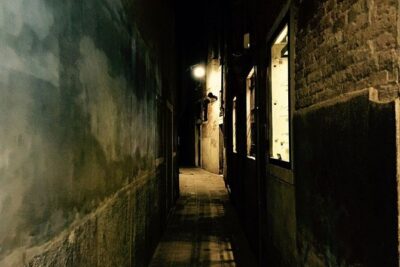
This tour is sold as a ghost experience, but what you’re really buying is a Tokyo nighttime walk through older, lived-in neighborhoods, with Japanese folklore and ghostly themes tied to real locations. You’ll hear stories with a strong tragic streak—spirits, grief, and local “don’t turn your back” warnings—not just campfire jump scares.
The group size cap of 8 matters. With fewer people, the guide can steer the pace and adjust explanations. Several guides on this route are known for storytelling that’s part grim, part conversational, like Joris, Maik, Mike, Frank, and Haruka (all names that show up in guide praise). If you’re the type who likes asking what something means in Japanese culture, this setup gives you a better chance to do that.
The big trade-off is that the scary side doesn’t always stay front and center for everyone. Some nights feel more like cultural and historical storytelling than a nonstop supernatural hunt. If you want pure horror all the way through, you might leave slightly underfed on ghosts.
You can also read our reviews of more tours and experiences in Tokyo.
Meeting at Tokyo Station and Getting Ready for a Night Walk
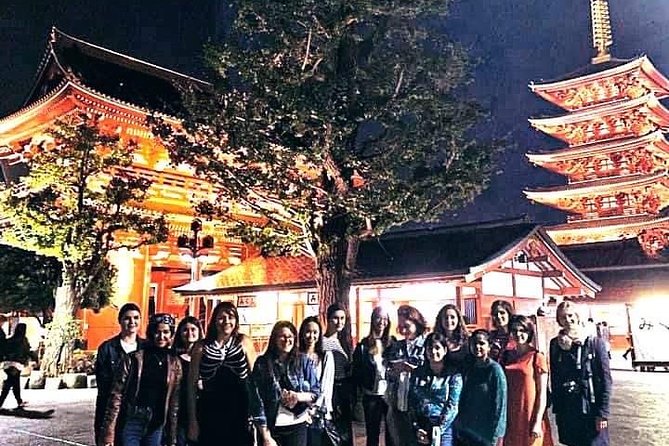
You start at Yamato Transport Tokyo Station, Marunouchi North Exit Baggage Service Counter, with a 6:00 pm kickoff. That’s a useful time because you’ll be out after work hours, when the city has that calm, slightly eerie tempo.
The tour ends in Asakusa (around 1-chōme-2-35), and you can get dropped near a restaurant or bar in the neighborhood, or at a metro station entrance. That ending choice is handy. It lets you keep the night going without hauling your feet further than you already did.
Even though the tour is about spirits, your practical job is simple: wear shoes you won’t resent. The walking is a recurring point in feedback—people talk about long stretches and “good hike” energy. If your legs are not ready for Tokyo distances, you’ll feel the stories more than you’ll enjoy them.
Stop 1: Otemachi Shrine and the Vengeful-Spirit Warning
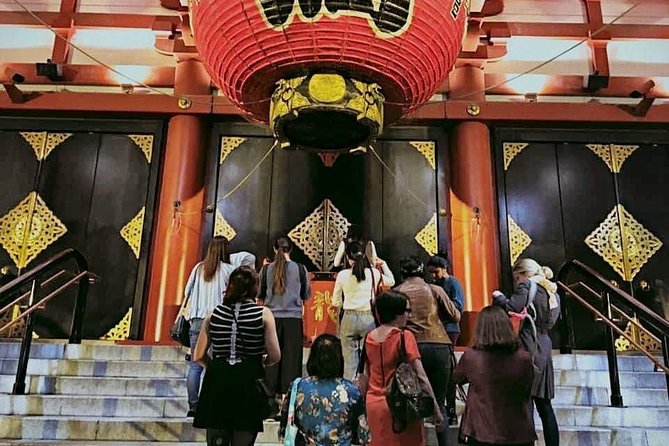
The first stop is Otemachi, roughly 20 minutes, and the story theme is instant: a shrine area where people still hesitate to turn their backs. That kind of local belief is classic “micro-ghost lore”—not fantasy, but a real behavior some locals keep because the legend sticks.
What makes this stop work is contrast. Otemachi is office-country Tokyo: structured, clean, and corporate. Then you drop into a shrine moment that feels personal and superstitious. That clash is where the night starts to click.
Tip for how to handle this stop: stay aware, listen closely, and don’t rush photos. Shrine areas at night can be quiet and close. When the guide points something out, you’ll get more from staying present than from scanning for the next location.
Stop 2: Minamisenju’s Two Worship Stops and Tragic Stories
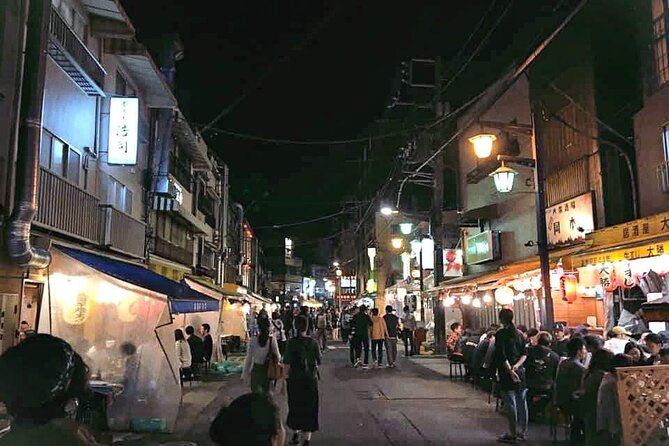
Next comes Minamisenju, about 40 minutes. Here, the tour focuses on several places in the area, including two separate places of worship tied to tragic history and lots of paranormal reports.
This is where many people expect the tour to turn more supernatural. Some feedback says the ghost side hits harder early on, and then the supernatural focus can fade. But even when you’re not getting constant “boo” energy, Minamisenju is valuable because the stories are grounded in how faith and memory work in Japan.
You’ll also likely notice that the tone is more respectful than sensational. Instead of treating spirits like cartoon villains, the guide frames them in the cultural language of warnings, grief, and what a community does to live with the past.
Stop 3: Asakusa’s Sensoji Area, Old Hag’s Pond, and Night Streets

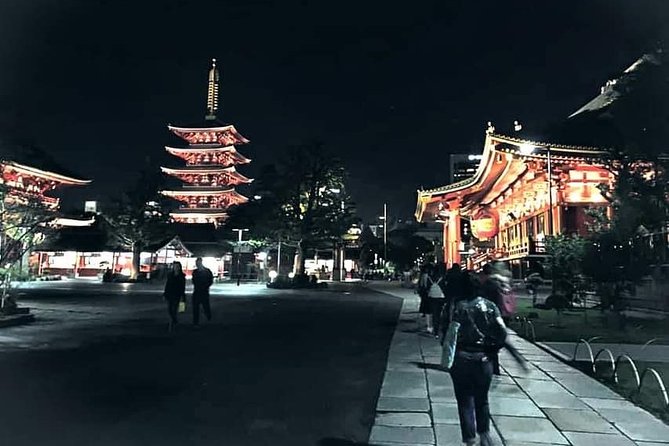
The main stretch is Asakusa, about 1 hour 20 minutes. This section includes a viewpoint, the Sensoji temple area, the streets around it, the Old Hag’s Pond, and the Kappabashi area (plus time for you to walk through the lanes the guide chooses).
Asakusa at night has a different mood than daytime sightseeing. It feels more like you’re moving through the neighborhood than ticking boxes. The guide’s job here is to connect the scary-adjacent stories to the actual streets you’re seeing, so the legend feels like it belongs to this block, not like it was pasted on for a tour.
One practical plus: your senses get fed here. You’re not just listening. You’re looking at temple surroundings, catching sightlines from the viewpoint, and walking through older-street Tokyo around the temple precincts. That balance is why this stop often earns high ratings for being atmospheric and genuinely fun.
Also note: in some tours, the route can include additional spooky stops such as a cemetery. When that happens, it tends to be the most eerie scene on the walk. Even if you don’t get that exact stop every time, Asakusa’s mix of quiet corners and heavy legends is the heart of the experience.
How Scary Is It, Really? Ghosts vs Grim History
Here’s the honest temperature check: this tour is often described as scary, creepy, and fun—but it’s also frequently framed as ghost tales mixed with cultural and historical context.
That’s not a deal-breaker for everyone. For many people, the “scariest” part is how serious the stories are. Tokyo’s older districts have legends tied to hardship and death, and the guide connects spirits to how people respond—through ritual, shrine visits, and respectful acts meant to calm unrest.
Some visitors wanted more pure supernatural action—more folklore ghost stories, more lingering creepiness, and fewer culture lectures. Others loved the grim depth and found the shrines and spirit-appeasement angle genuinely different from typical ghost tours.
So pick your expectations carefully:
- If you want atmosphere + folklore + tragic stories, you’ll likely enjoy it a lot.
- If you want nonstop supernatural chaos, you might find the title promises more “ghost” content than you actually get by the midpoint.
Snacks and Pacing: What 3 Hours Feels Like on Foot
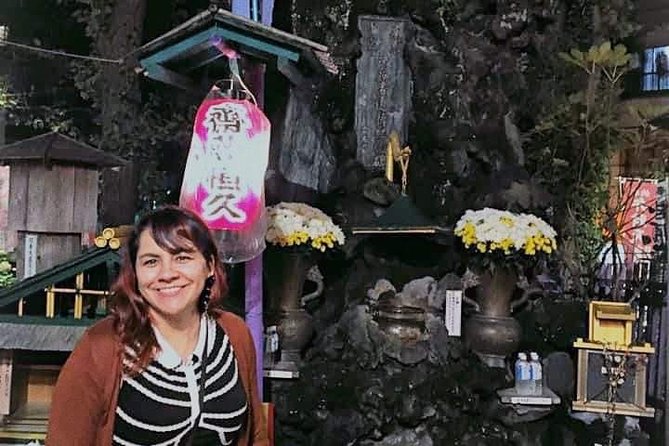
Snacks are included—one local snack—because this is an evening tour around dinner time. That’s a small cost-saver and a comfort factor if you ate lightly or you’re coming straight from work.
Pacing is the main thing to watch. Even with a duration of about 3 hours, feedback suggests it can feel like a longer walk, with fewer story stops than you might expect. The practical fix is simple: eat beforehand. One comment calls out that there’s no stop for dinner, so arriving hungry is a fast way to turn a spooky evening into a grumpy one.
If you get tired, you can still ask questions. With a small group, the guide can often slow down or clarify. Still, don’t count on lots of long breaks. Plan on being on your feet.
Price and Value: Is $114.95 Worth It?
At $114.95 per person, this isn’t a budget activity. But value comes from a few specific things that cost time and money in Tokyo:
- A small-group guide (max 8 travelers)
- Free entry for the listed shrine/temple stops
- A snack included
- A route that strings together multiple neighborhoods after dark
What’s not included matters too: public transport fees around 400 yen per person. If you’re used to paying in Japan with card-only habits, do a quick mental reset. Cash helps you glide through the transit parts without slowing the group.
Where the price can feel high is when you want more ghost content than you receive. If the supernatural storytelling is what you came for, and you get more historical framing than expected, the value-per-fear drops.
My practical way to judge value is this: treat it as a Tokyo nighttime folklore walk with scares, not as a horror movie reenactment. If that matches your taste, the price starts to make sense.
Who Should Book This Tour, and Who Should Skip It
This works best for adults and for history/folklore lovers who want a darker side of Tokyo without going outside the city. If you like hearing why people behave a certain way around shrines, and you enjoy grim legends that connect to real streets, you’ll likely get your money’s worth.
It can also be family-friendly. Just keep in mind that some stories may feel too dark for younger audiences. If you’re bringing kids, use your judgment. If your group is sensitive to death-themed tales, you might want a more lighthearted neighborhood walk instead.
Skip it if:
- You hate walking-heavy tours and want lots of downtime.
- You want constant supernatural moments, not a blend of ghost themes and cultural explanations.
Should You Book Tokyo’s Shitamachi Ghost Tour?
Book it if you want a night walk where the scary parts are tied to lived Tokyo—shrines, temple areas, and neighborhood streets—guided by someone who can explain the cultural meaning, not just chant spooky lines. Bring comfortable shoes, eat before you go, and carry cash for transit.
Skip it if the word ghost means nonstop supernatural drama to you. This is more “grim folklore with real places” than “always-jumps-care horror.” If you’re okay with that mix, it’s a fun, off-the-beaten-path way to see Asakusa’s darker mood.
FAQ
How long is the Tokyo’s Scariest Shitamachi Ghost Tour?
The tour lasts about 3 hours.
Where does the tour start and end?
It starts at the Yamato Transport Tokyo Station Marunouchi North Exit Baggage Service Counter. It ends in Asakusa, around 1-chōme-2-35, Taito City.
What time does the tour begin?
The start time is 6:00 pm.
Is anything included in the price?
Snacks are included, with one local snack provided because it runs during evening hours. The stops listed in the itinerary have free admission tickets.
What extra costs should I expect?
Public transportation fees are not included, and they cost around 400 yen per person during the tour. Bring cash.
Is this tour family-friendly?
It can be made family-friendly. Just note that some stories might be too dark for younger audiences.
How big is the group?
The maximum group size is 8 travelers.
Is the tour refundable if I cancel?
No. This experience is non-refundable and cannot be changed for any reason.